
The ascent of Mount Everest by Sir Edmund Hillary in 1953 (although in 1953 he was not yet a sir) was not merely a feat of mountaineering; it was the closing of a chapter in the history of global exploration. At the center of this narrative was a soft-spoken beekeeper from New Zealand whose physical durability and quiet resolve became the blueprint for the modern adventurer.

Hillary in a three-button tweed jacket, at an appearance with Sherpa Tenzing following the expedition. Getty Images
By the early 1950s, Everest had attained the status of a "Third Pole"—the last great terrestrial prize. Previous expeditions had been defeated by the sheer logistical weight of the mountain and the physiological toll of the "Death Zone." Hillary’s advantage lay in his conditioning. Having spent his youth navigating the Southern Alps of New Zealand, he possessed a lung capacity and a mental grit that were perfectly suited for the thin air of the Himalayas.
In 1953, joining the British expedition led by John Hunt, Hillary found his perfect counterpart in Tenzing Norgay, a Sherpa with unparalleled high-altitude experience. Their partnership was a study in mutual reliance—a refusal to let individual ego compromise the structural integrity of the mission. Towering over the range that is referred to as the “Roof of the World”, Everest measures in at an imposing 29,032ft along the border of China and Nepal. As the tallest mountain in the Himalayas, Everest had tempted mountaineers since the 1850’s.

A look at the intimidating terrain of Everest.
The defining moment of the climb occurred just below the summit at what is now known as the Hillary Step. It was a forty-foot wall of rock and ice that stood as the final sentry to the peak. Hillary’s solution was a masterpiece in motion: he wedged his body into a crack between the ice and the rock, literally shimming his way up the face.
On May 29, 1953, at 11:30 a.m., they reached the summit. There was no grand speech or theatrical display. Hillary simply reached out to shake Tenzing’s hand, though the Sherpa famously opted for a hug. They stayed for only fifteen minutes—just long enough to take photographs and bury a few small offerings in the snow.
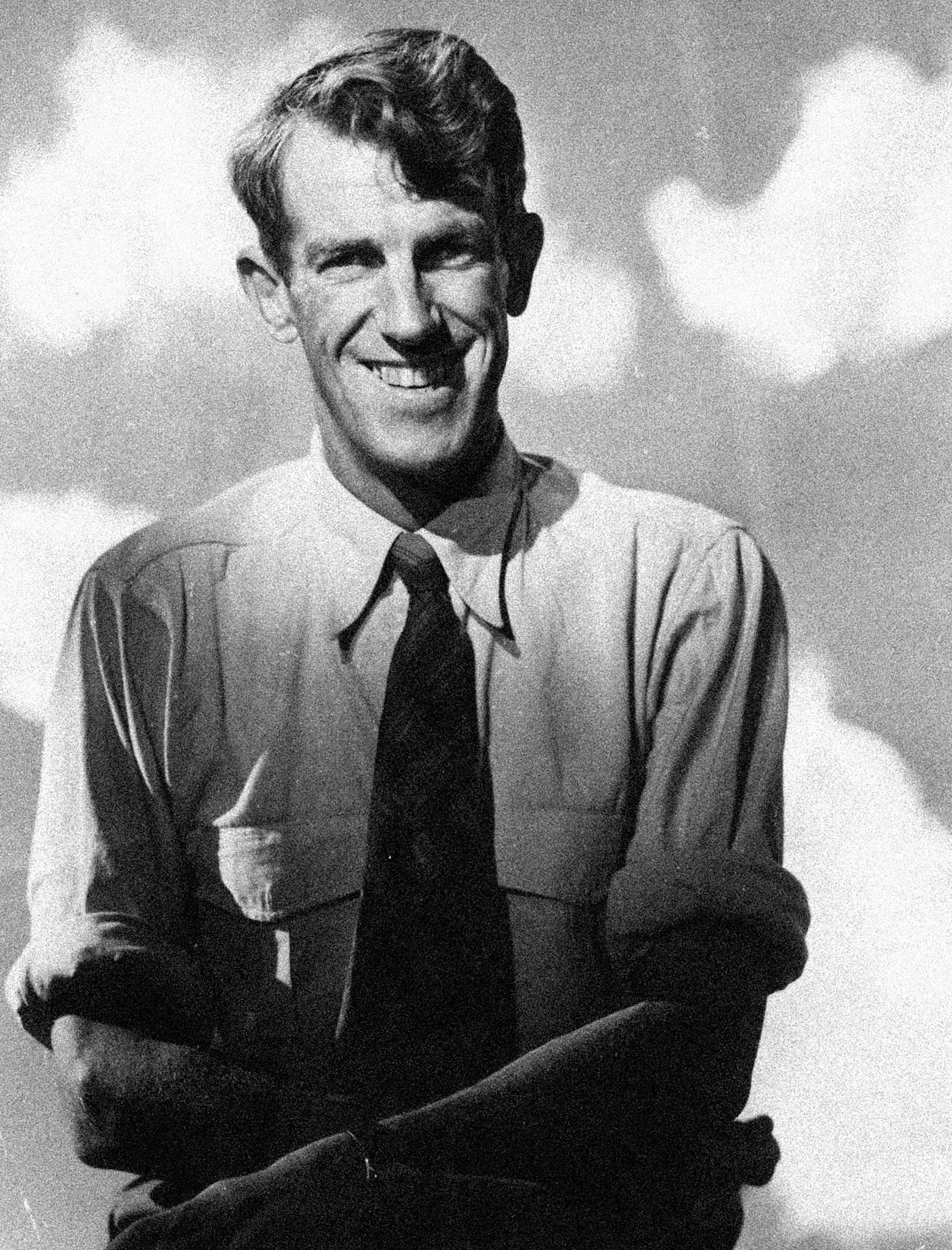
Photo Credits, Getty Images
What makes Hillary’s success so enduring is what he did with the fame that followed. He didn't treat the summit as a finish line, but as a foundation. He spent the rest of his life building schools and hospitals in the Himalayas, ensuring that his legacy was tied to the people of the region rather than just the height of the mountain.
Today, Everest is a different landscape, but the Hillary path remains the primary trail to the top. For those who value the intersection of grit and humility, his story is the ultimate syllabus. It reminds us that the most significant achievements are rarely about conquering nature, but about mastering one's own limitations through repetition, preparation, and a deep respect for the environment.
Hillary wore a Rolex ref. 6352, a model that would soon carry a tribute to him in its name; the Rolex “Explorer”.