
As music goes, there are those who play notes and those who attempt to dismantle the physics of sound. John Coltrane belonged to the latter camp. Almost uniformly referred to as "Trane," he was a person of quiet and scholarly intensity whose evolution from a dependable sideman to a radical musician remains one of the most legendary transformations in jazz history.
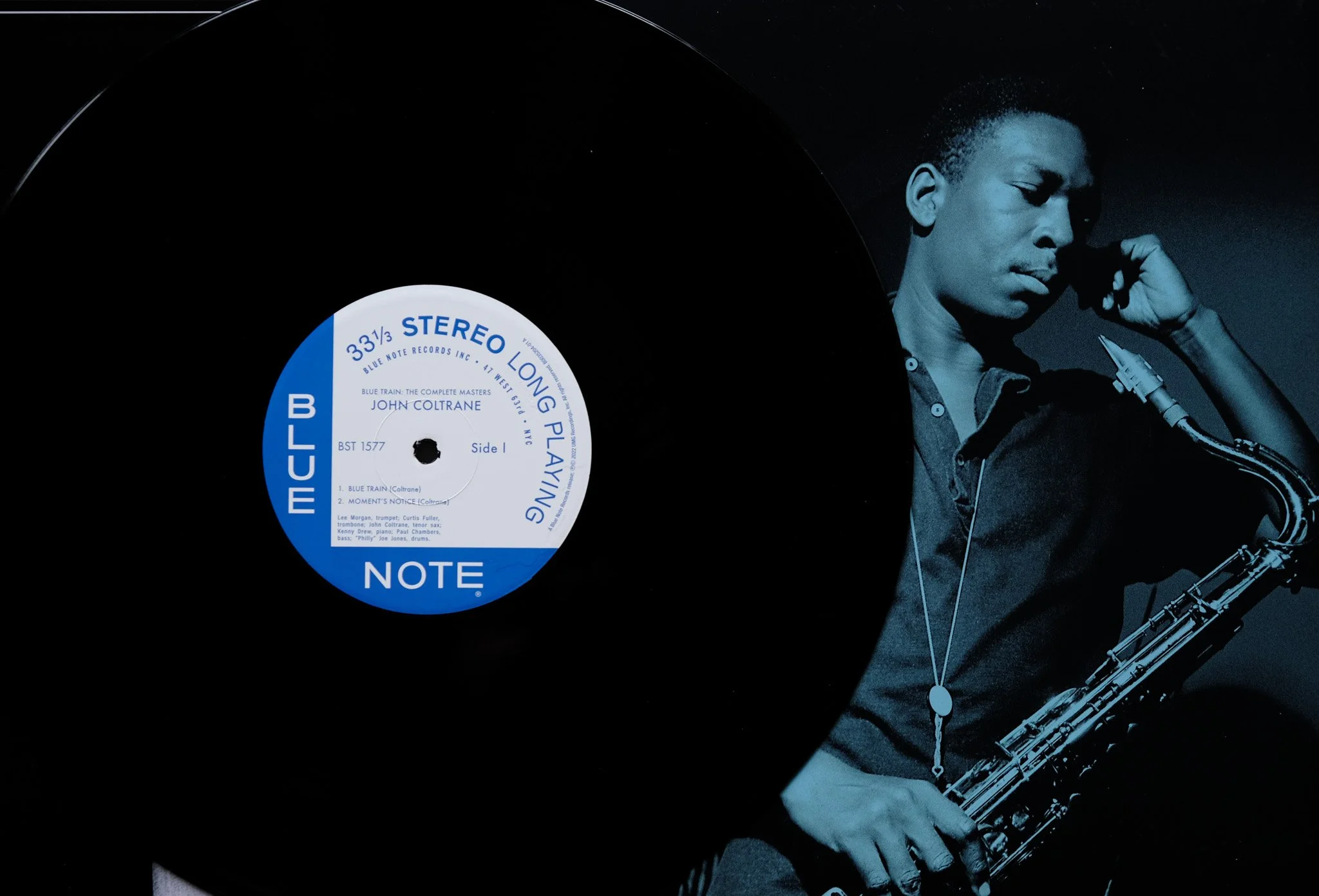
Property of Navigator Archive
Listening to Coltrane is to witness a man in a state of rehearsal. He was a musician who viewed the saxophone not as a trophy to master, but as a tool of possibilities. Coltrane is certainly affixed to the Mount Rushmore of Jazz, if one existed.
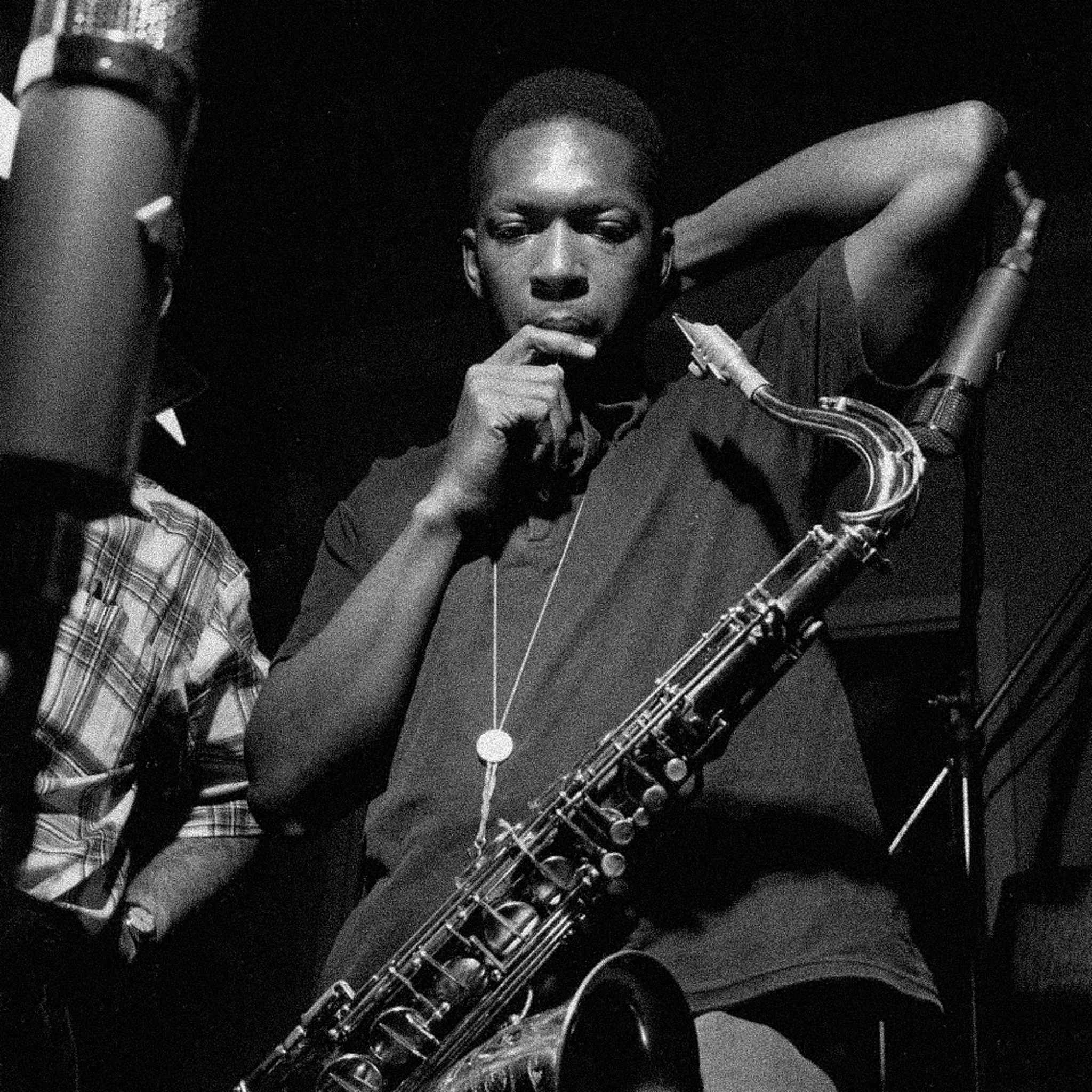
Photo by and property of Francis Wolff
"I've found that you've got to look back at the old things and see them in a new light." — John Coltrane
Coltrane’s early tenure with Miles Davis revealed to audiences a player who was highly gifted. While Davis mastered the art of the silence between notes, Coltrane seemed intent on filling every gap. No moments left blank. By the late 1950s, this manifested as "sheets of sound"—a dense, style toward improvisation. He would stack chords and scales with such velocity that the melody seemed to blur into a single texture.
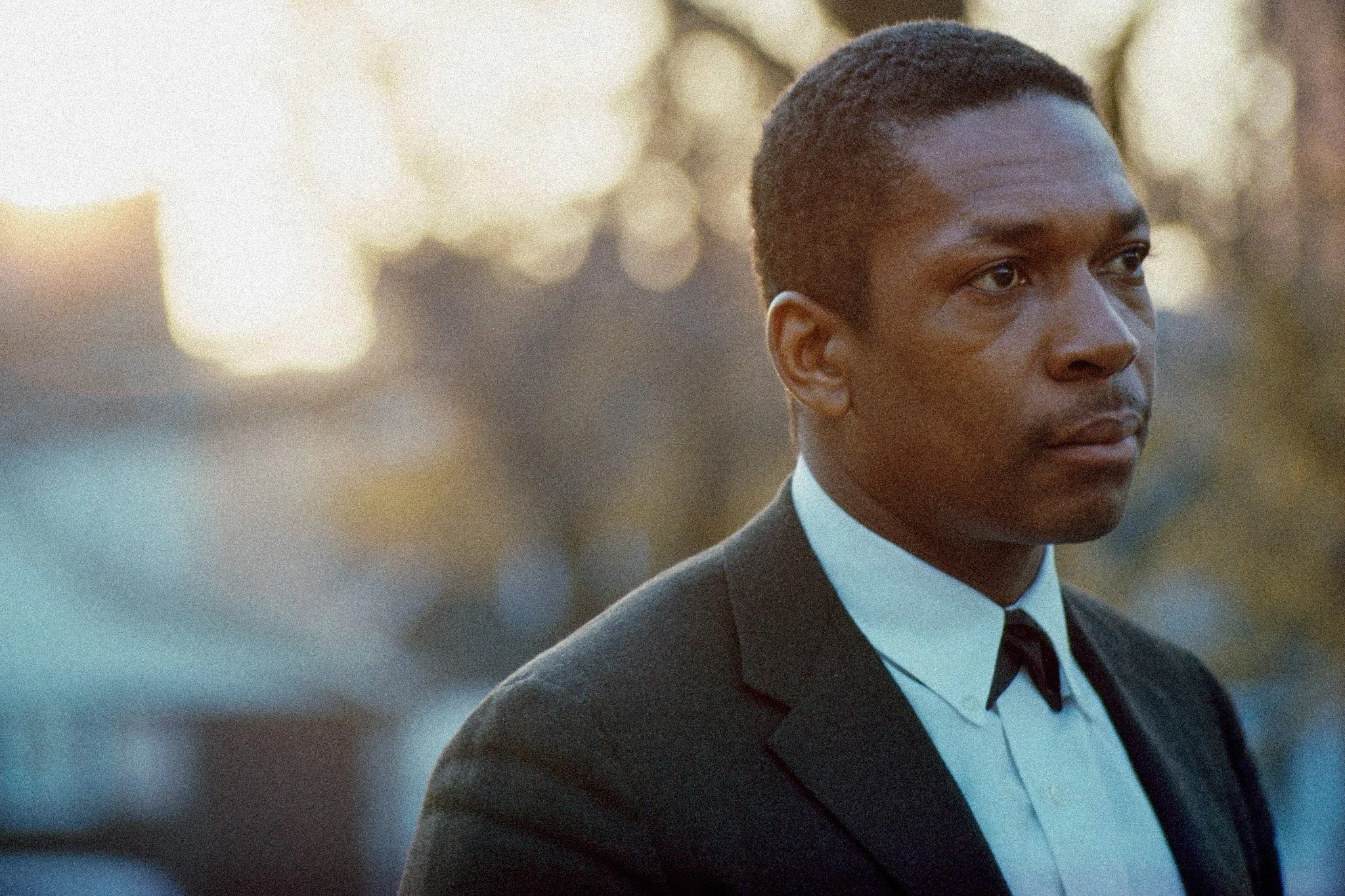
Property by and property of Jim Marshall
This wasn't for the sake of applause. It was a technical obsession. In his landmark 1960 album Giant Steps, Coltrane navigated progressions so complex they functioned like a mathematics. He was testing the limits of what the Western twelve-tone scale could endure before it fractured. It makes you wonder if audiences were ready for it, seems they were.
The mid-1960s marked a shift from the technical to the visceral and raw. With the release of A Love Supreme, Coltrane moved away from the "geometry" of hard bop toward a meditative language. The album is considered a masterwork. The music became less about navigating obstacles and more about sustaining a singular, focused intensity.
His late-period exploratory output—often labeled "Free Jazz"—offered with traditional structure entirely. To the uninitiated, these recordings can sound like chaos; to Coltrane, they were an attempt to reach a universal frequency. He was searching for a sound that could express the human condition without the mediation. It was a stripped-back, raw pursuit of truth that prioritized the honesty of the sound rather than polish.