
My parents brought us to the Auto Show in Chicago in the 90s, which was memorable as all days in a major US city were for a kid from a mid-size town. I liked cars, but I was much more interested in sports and other typical kid activities. I remember walking around looking at futuristic concept cars that seemingly every automaker at the time had. The 90’s were inevitabley a time of looking forward if for nothing more than the coming of a new millennium in a few years.
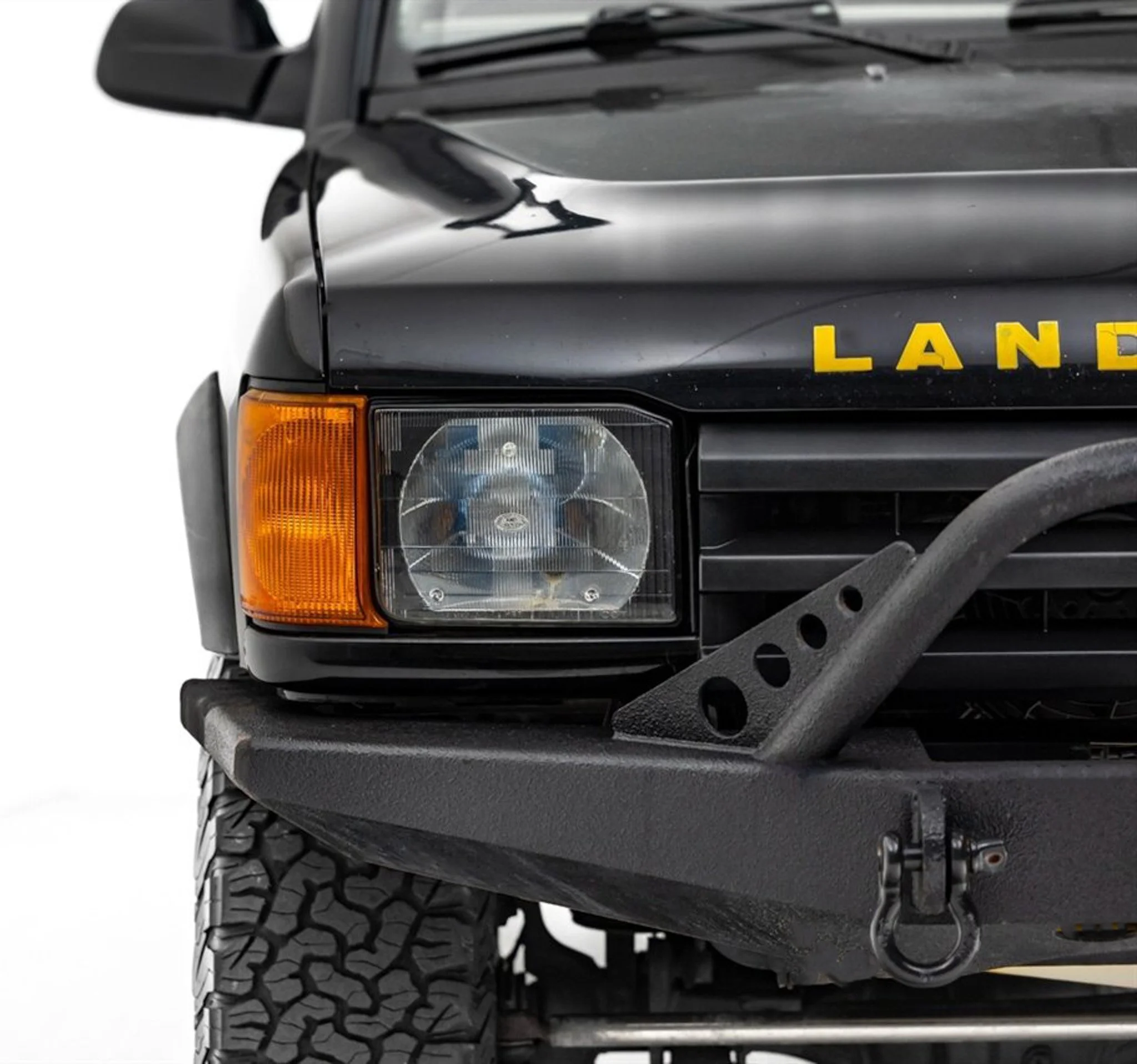
Maybe it was from having been raised in a house that had more antiques and original artwork in it than technology. But I was always fascinated by objects that had a classic design ethos. Several decades later I don’t remember the vehicles I saw that day. I do however remember one: the Land Rover Discovery. I remember standing there watching the adventure themed promotional videos at the Land Rover display. I was impressed by the off-road prowess that was shown on the screens around the Land Rover booth.
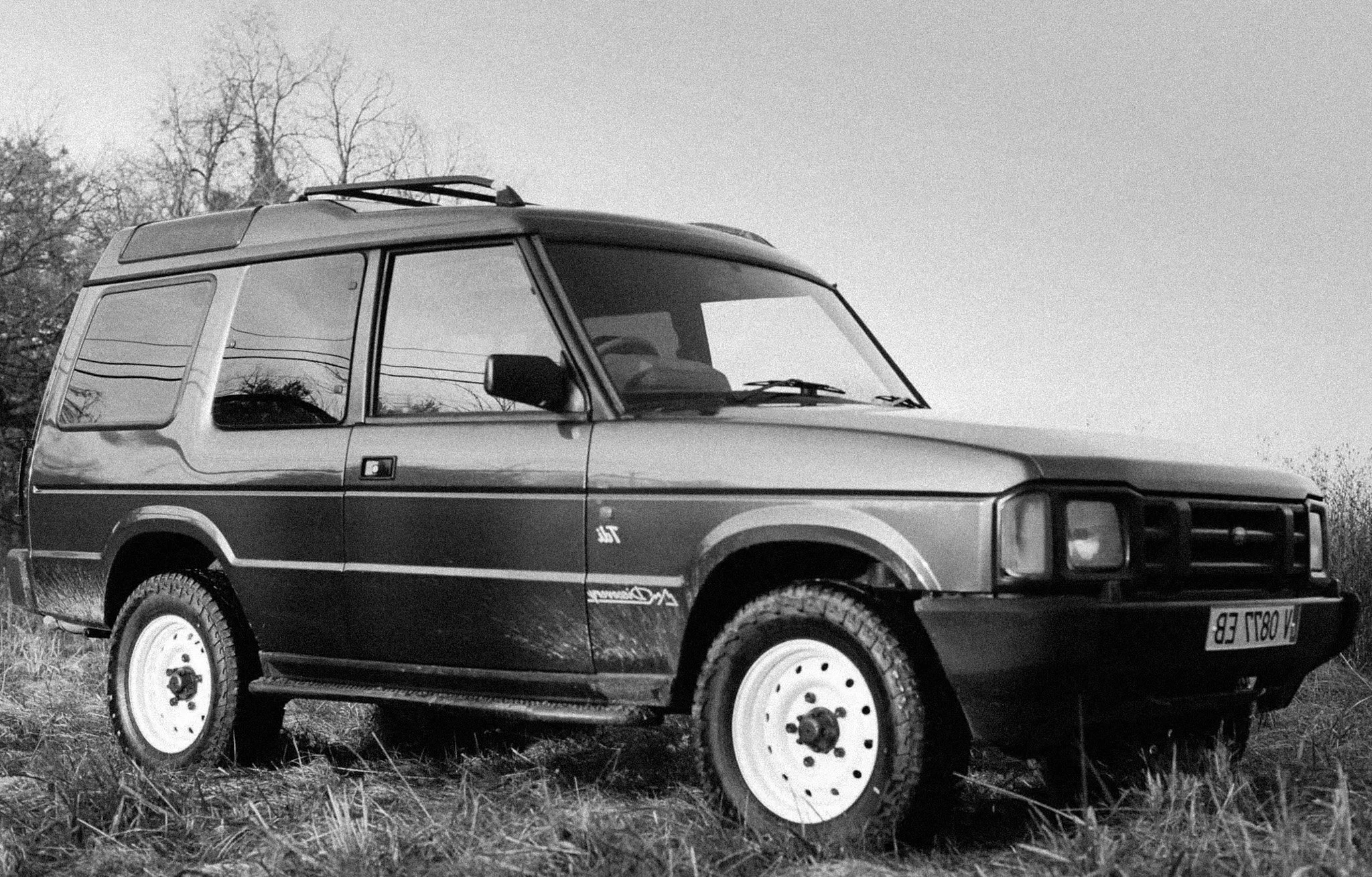
Photo by Commonwealth Classics
The Discovery navigated through what looked to be the Amazon jungle and the deserts of Africa. One video showed the vehicle passing through a river with water up to the windows. I don’t know if I knew what or who Land Rover was before that day, but I did after.
While many modern SUVs are designed in wind tunnels to look like polished round gems, the Series I and Series II Discovery were penned with a ruler and a vision of exploration.
One of the more defining aspects of the silhouette feature was the stepped roofline. This wasn't a stylistic flourish, it was a functional necessity to provide stadium seating for rear passengers, ensuring everyone had a view of the trail ahead. Stadium seating in a modern SUV is fairly impossible to imagine. That, combined with the "Alpine lights"—thin windows curved into the roof edge—the Discovery felt airy and expansive, a stark contrast to the tight interiors of its peers.
The design philosophy of the 90s-era Discovery was defined by a specific kind of British pragmatism: it was sophisticated enough for the city, but was fundamentally shaped by the wilderness. The Discovery avoided the tough posturing of modern trucks, opting instead for a look that was intellectual and purposeful.
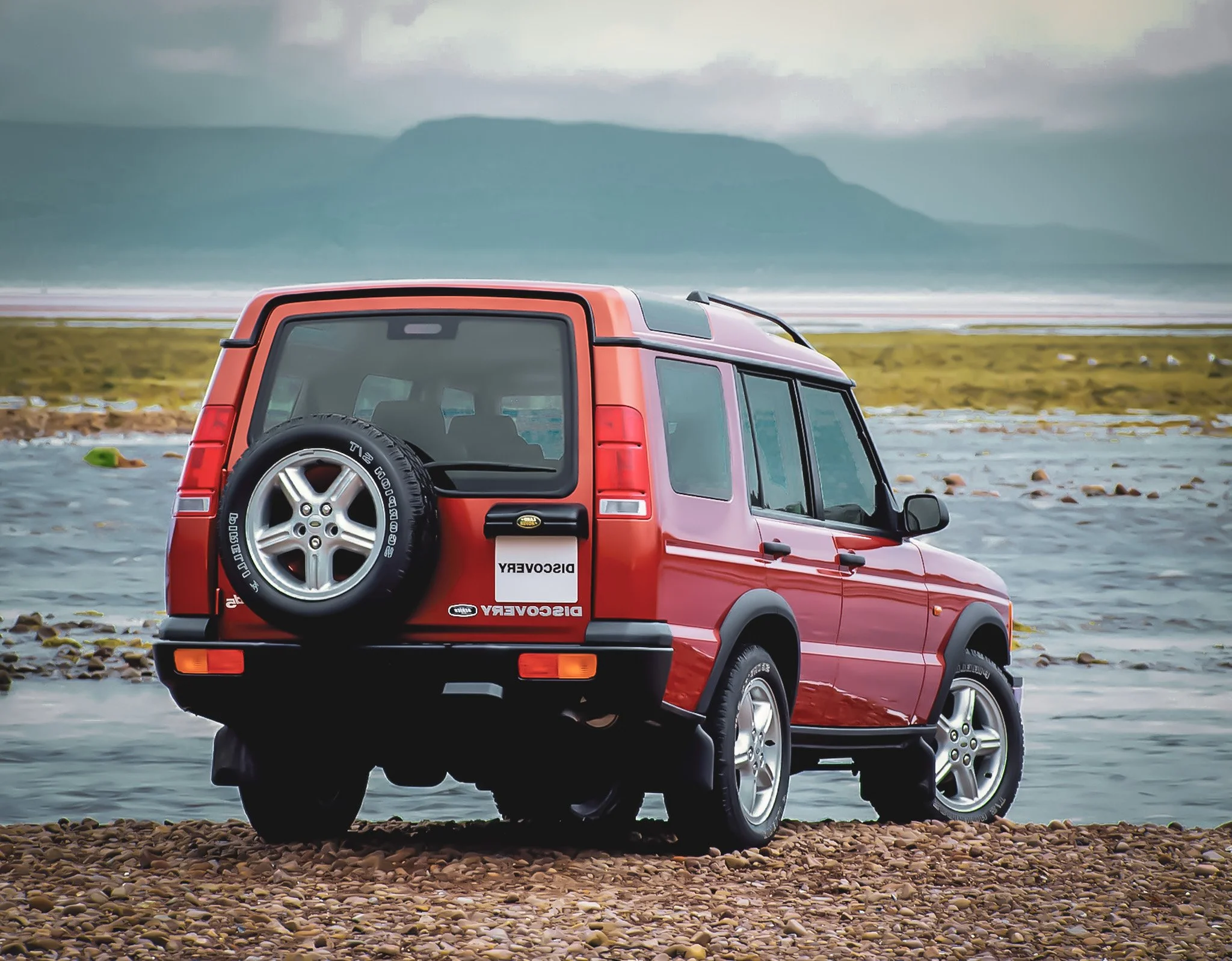
The Business End of the Land Rover Discovery.
The Discovery didn't hide its ruggedness. The exposed hinges on the rear door and the chunky, easy-to-grab door handles (designed to be used while wearing thick gloves) were badges of honor. It was a function influences form philosophy that felt authentic because the vehicle actually possessed the capability its looks promised.
It was this honesty and the refusal to be anything other than a boxy, capable, and thoughtful machine that allowed it to age with more grace than almost any other SUV of its era.
I still get excited when I see one of the few left on the road, out in the wild.