
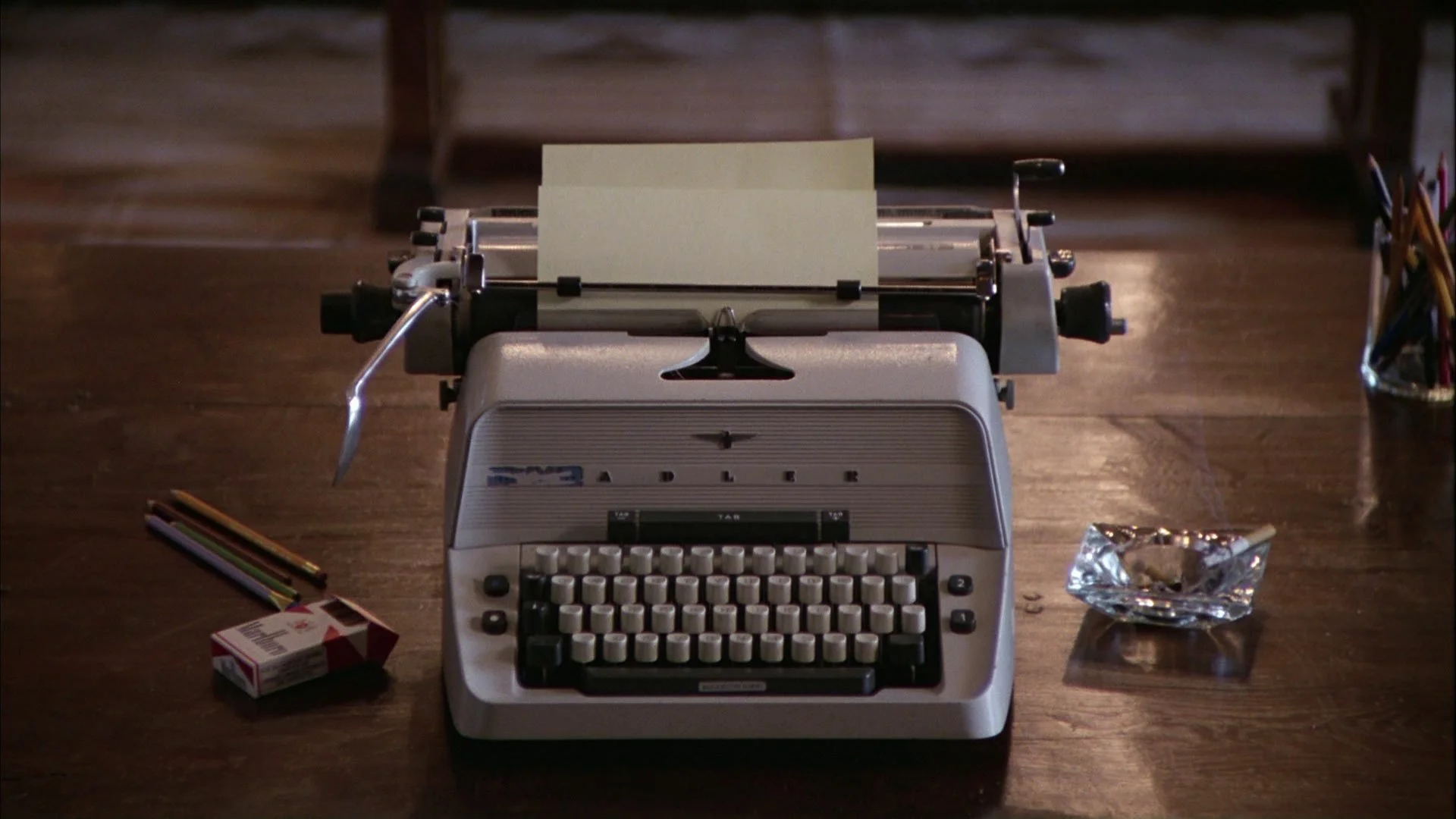
It is the time of year for extreme cold weather and snow fall for much of the country. And with it, thoughts of The Overlook Hotel and “what the old-timers called cabin fever.”
To step into Stanley Kubrick’s The Shining is to enter a world where the architecture itself is as evil as the ghosts within. While the film is a staple of the horror genre, it carries the weight of a classic novel, trading in the cheap thrills of slasher films for a slow-burn descent into a family’s psychological winter. Kubrick didn't just adapt Stephen King’s story; he rebuilt it into a haunting meditation on memory, isolation, and the cyclical nature of human violence.
Property of Stanley Kubrick and Warner Bros. Studios
The film begins with the hotel, a place that feels grand yet suffocating. Most directors use darkness to hide their monsters, but Kubrick bathed his corridors in a cold, artificial light. He famously used "impossible architecture" to unsettle the viewer—hallways that lead where they shouldn't and windows that overlook landscapes they shouldn't be able to see. This wasn't a mistake; it was a deliberate choice to make the audience feel as though the ground were shifting beneath their feet, much like the sanity of Jack Torrance.
Much of the film’s eerie nature comes from its movement. Kubrick’s use of the Steadicam allowed the camera to follow young Danny Torrance on his tricycle with a frightening smoothness. As the wheels transition from the hollow rattle of hardwood to the muffled silence of the hotel's signature patterned carpets, the viewer isn't just watching a scene—they are being pulled deeper into the hotel’s appetite for blood. It is a visual prose that speaks of an inevitable doom, suggesting that the characters are merely figures in a story that has already been written.

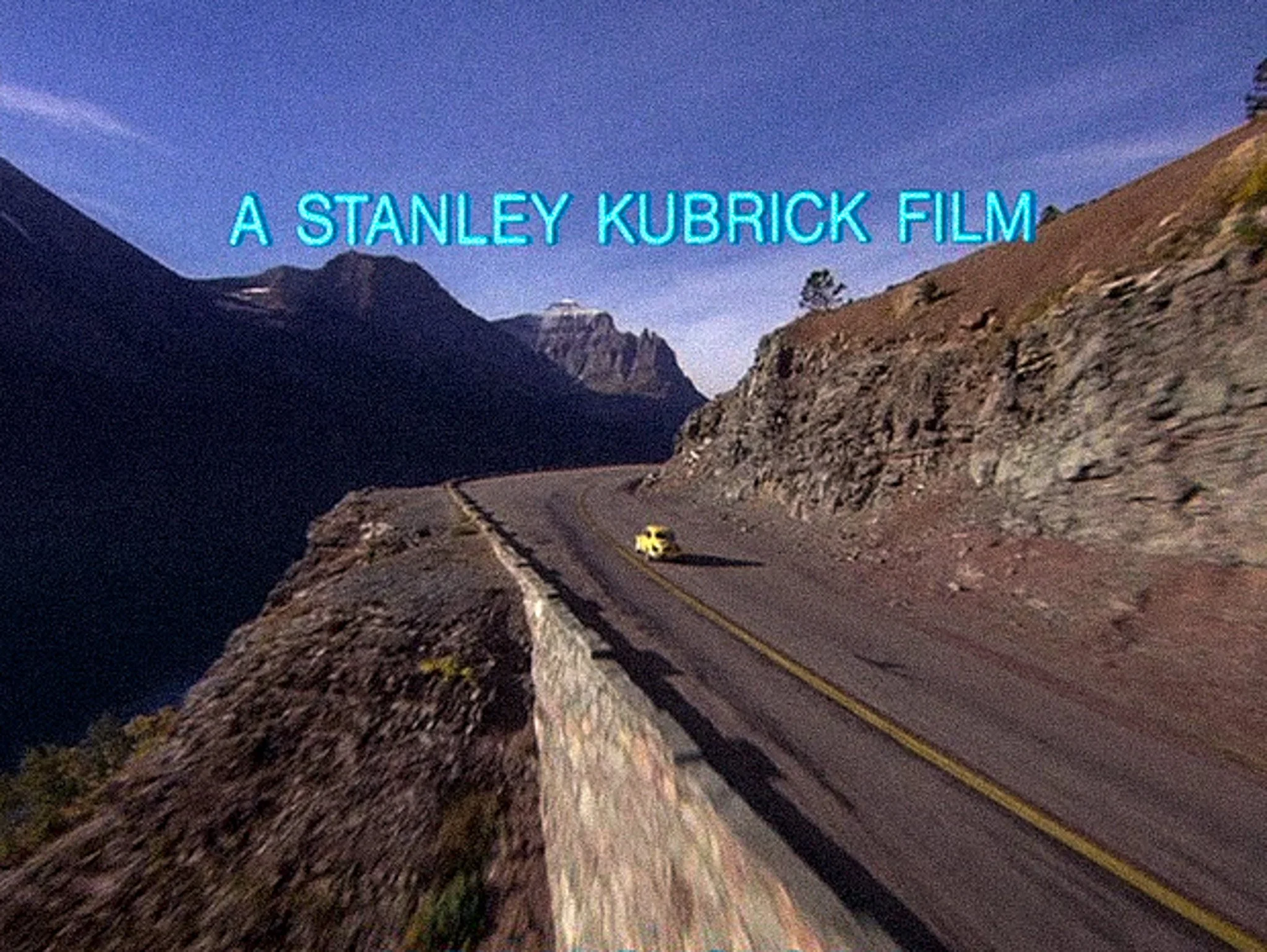
“Going-to-the-Sun Road” the location of the Torrance family’s drive from the film’s opening credits.
In a literary sense, the film acts as a manuscript, where the present-day breakdown of a father is layered over the bloody history of the American West. While King’s novel focused on the internal struggle of an alcoholic trying to do better, Kubrick’s Jack Torrance is a man who seems to have been waiting for the hotel to give him an excuse to unmask his true self. The "shining" ability itself becomes less about psychic powers and more about the burden of seeing the world’s ugly truths—a gift that Danny carries like a heavy inheritance.
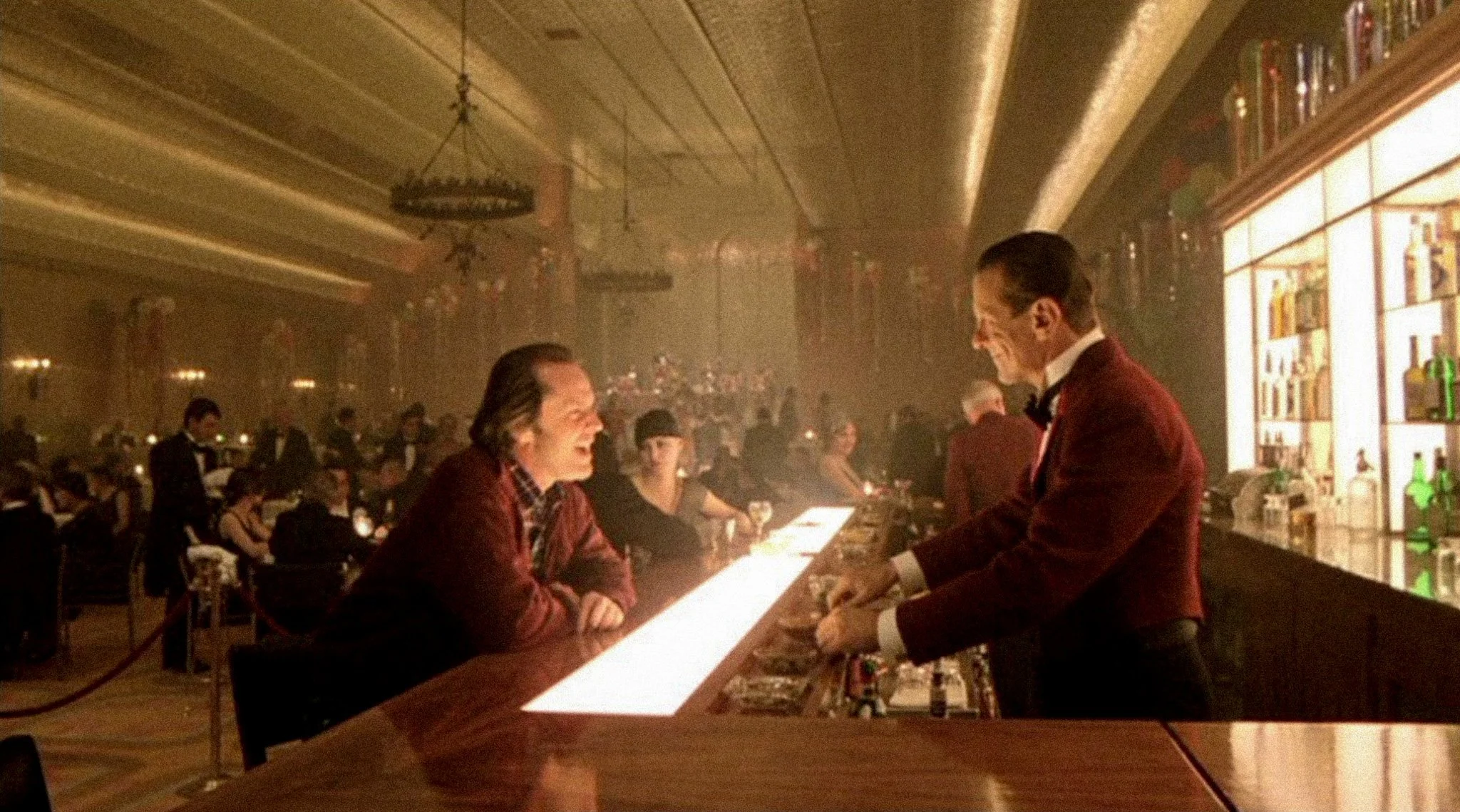
The film’s final, wordless moments remain its most debated chapter. That slow, lingering crawl toward a photograph from 1921 challenges everything we think we know about time and identity. By refusing to offer a tidy explanation, Kubrick ensured that The Shining would never end. Like the hedge maze outside the hotel, the film is designed to keep us wandering, searching for a way out of a mystery that is as beautiful as it is terrifying.
Property of Stanley Kubrick and Warner Bros. Studios