
The activity of traditionally winter sports is one of crisp pine air, biting mountain wind, and features athletes who voluntarily travel down ice chutes at 90 miles per hour. While many sports traditions are centuries old, the history of the Winter Olympics transformed backyard winter pastimes into a global obsession during the 20th century.
In the early 1900s, people in colder climates—especially in Scandinavia—felt that the world was missing out on the true beauty of sport. They had their own regional events but they wanted a grander platform to showcase what they could do on skates and skis. There was a growing realization that winter sports were not just local hobbies but disciplines that required courage and skill. The hope was to create a dedicated stage where the mastery of cold weather sports could be celebrated on a larger scale.

Property of the IOC
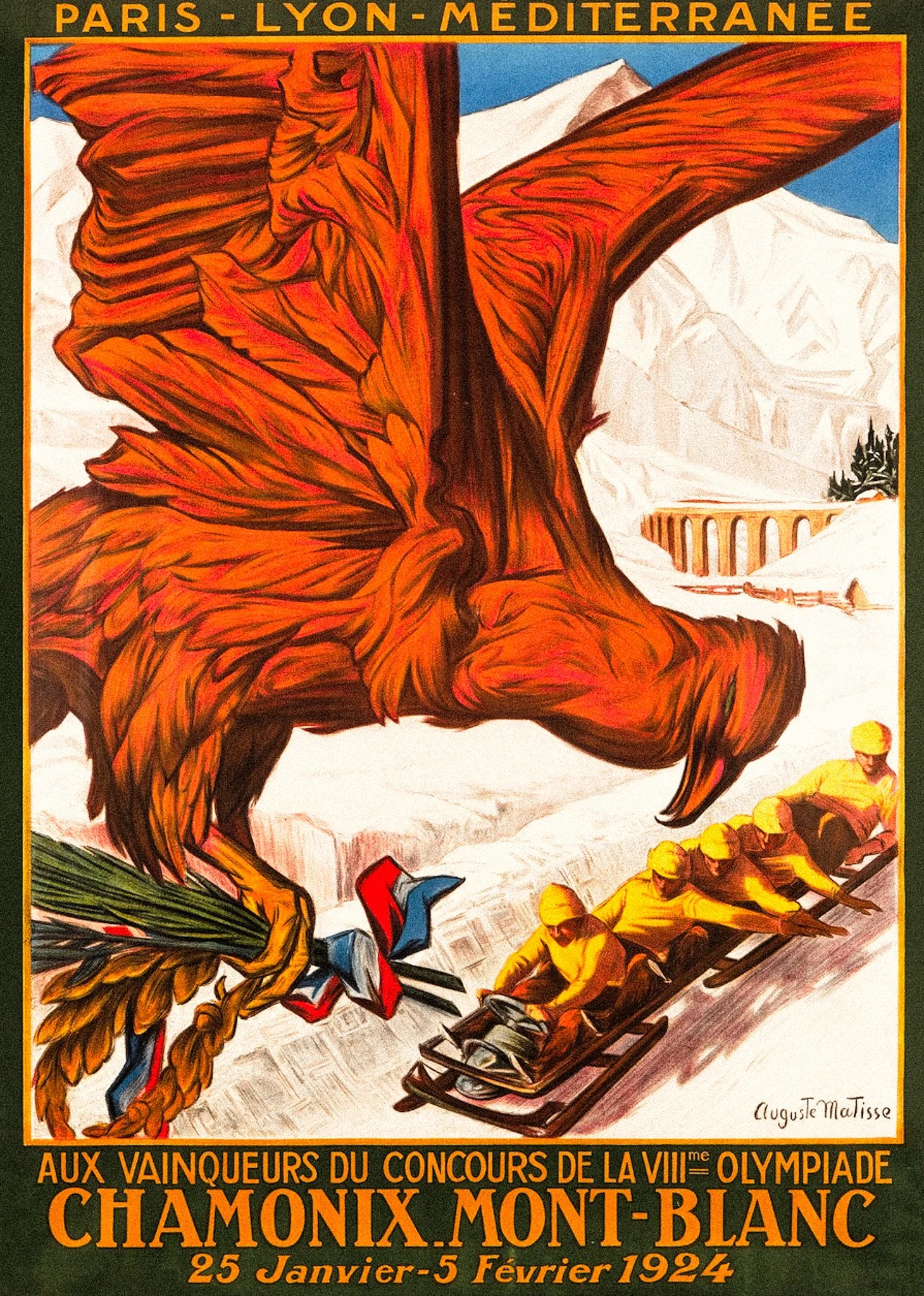
In 1924, a "Winter Sports Week" was held in Chamonix, France. At the time, it was an experimental gathering nestled beneath the peaks of the Alps. It was such a hit—with 16 nations competing in things like bobsled and down-hill skiing — that it was in retrospect recognized as the very first Winter Olympic Games. The first ever gold medal was won by an American speed skater, who probably didn't realize he was kicking off a century of tradition in that Alpine town.
As the decades passed, the Winter Games established a rhythm and the world began to take notice. In the 1960s, television turned skiers like Jean-Claude Killy into household names, bringing the thrill of the slopes into living rooms across the globe. The Summer and Winter games were typically held in the same year. Eventually, the games reached a level of popularity that demanded their own unique slot on the calendar. In 1994, the schedule shifted to ensure the Winter Games had their own dedicated spotlight. The 1994 Lillehammer Games in Norway became a landmark event, remembered as some of the most beautiful games ever held.

Italian athletes at the 1956 Games in Cortina. Property of Getty Images
It isn’t just the sports; it’s the sheer scale. We have seen a massive evolution in technology, moving from wooden skis and leather boots to carbon-fiber bobsleds and aerodynamic suits developed in wind tunnels. Whether it’s a legendary hockey game or the grace of a well-executed downhill run, the games offer a unique brand of tension and beauty that only ice and snow can provide.
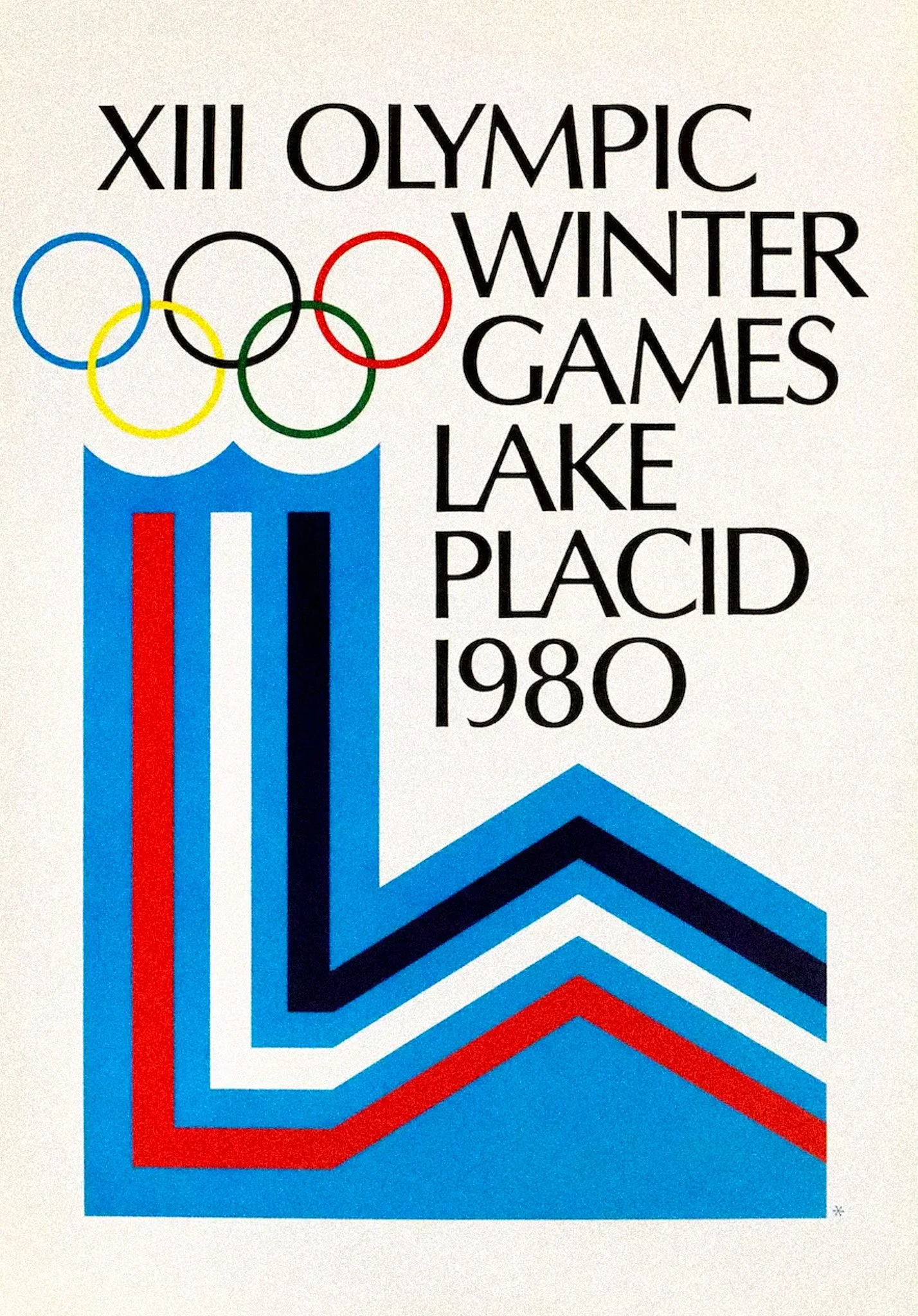
Property of the IOC