
Like Norman Maclean I grew up on a river. Unlike him, I didn’t appreciate this blessing until I was much older.
There’s a specific kind of ache that comes with reading Norman Maclean’s A River Runs Through It. It’s not the loud, sobbing kind of grief; it’s the quiet, persistent hum of a Montana river at twilight—the kind that makes you realize you can love someone completely without ever truly understanding them.
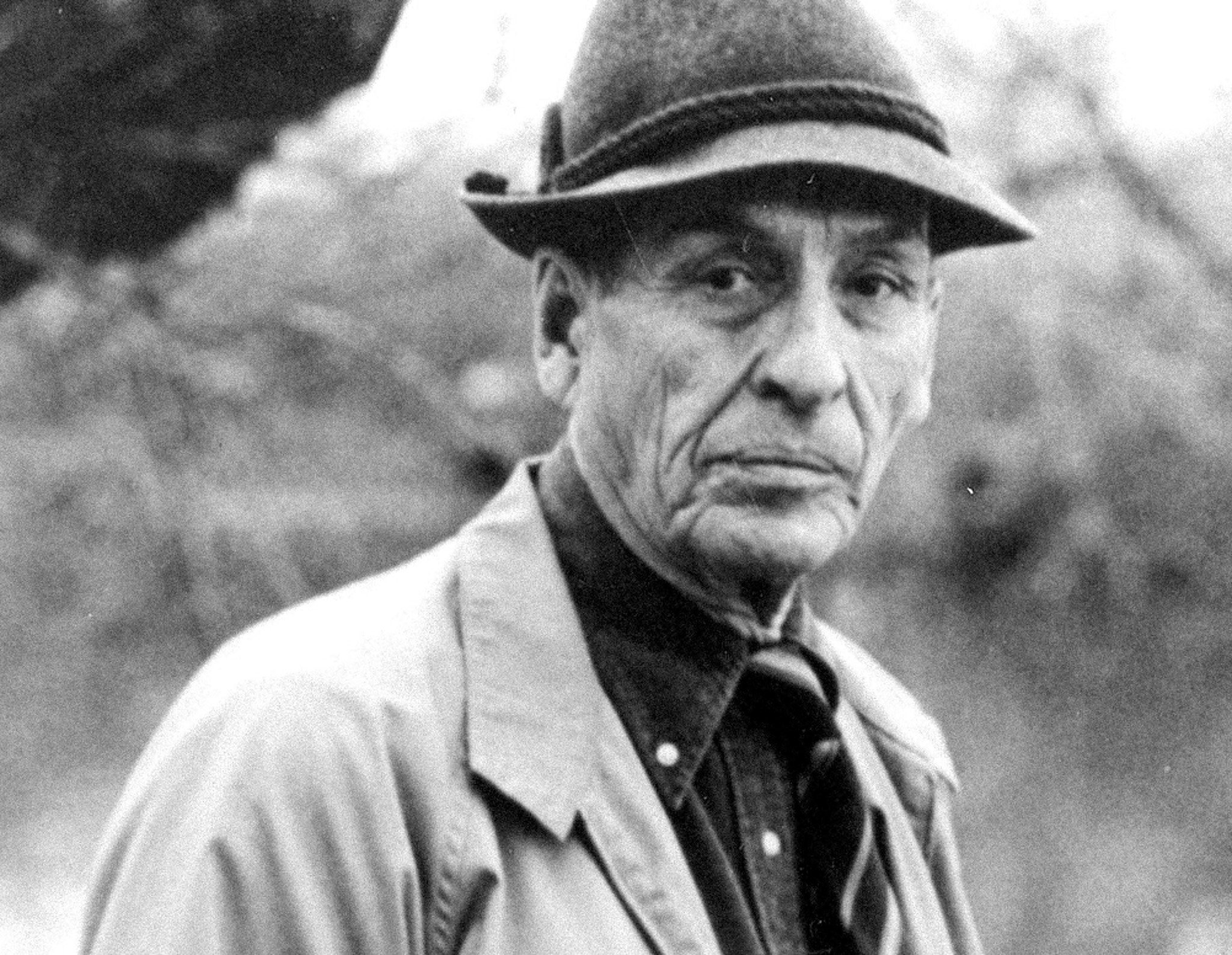
Property of Univ. of Chicago.
Maclean’s novella is a masterclass in what stays unsaid. It’s a story wrapped in the technicalities of fly fishing, but at its core, it is a meditation on the limits of our ability to help the people we love most.
From the outset there is much conversation about the four-count rhythm of fly fishing. Maclean writes about the technicalities of the Blackfoot River with a precision that would comparable to that of a watchmaker. But for the Maclean family, fly fishing wasn't a hobby—it was a discipline that was as important as any other element of education.
In their early 1900s family, to fish poorly was to live poorly. To be beautiful on the water was a way of reaching for grace in a young country that, more often than not, handed out tragedy.
The heart of the story is the relationship between Norman, the book’s author and narrator, and his younger brother. Paul was a brilliant fisherman, a charming risk-taker, and a man vibrating with a self-destructive energy that no one in his family knows how to ground.
We all have a Paul in our lives—that person who is undeniably gifted but fundamentally unreachable. Maclean captures the specific agony of watching someone you love drift toward a waterfall and realizing that your hand isn't long enough to save them.
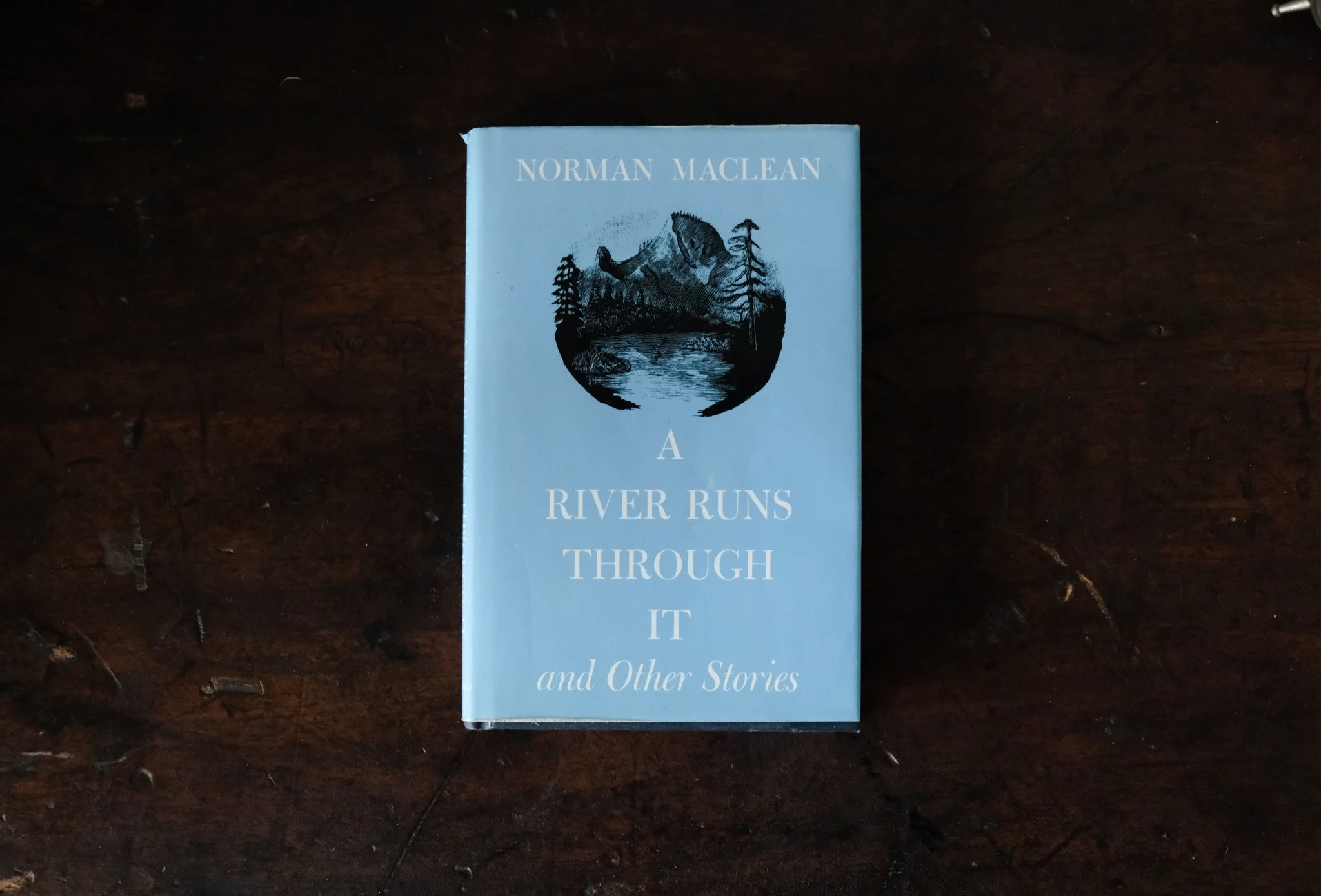
"It is those we live with and love and should know who elude us."
Norman Maclean’s life was defined by a long, quiet wait. Born in 1902 and raised in Missoula, Montana, his early years were split between his father’s strict Presbyterianism and the rugged wilderness of the Rocky Mountains. Before entering academia, he worked for the Forest Service, logging and fighting fires—experiences that gave his eventual writing a physical and calloused authenticity.
For forty years, Maclean was a distinguished professor at the University of Chicago, specializing in Shakespeare. It wasn’t until his retirement in 1973 that he finally sat down to write. His late start meant his words were stripped of ego. It felt like a seasoned woodworker’s final project—sanded down and built to last. He died in 1990, leaving a legacy that proved some stories require a lifetime of living before they are ready to be told.