
In the 50s, New York was the epicenter of baseball. The city had three baseball teams, countless newspapers, and hundreds of bars that stayed open until dawn. Baseball players weren’t millionaires yet. They played day games in the afternoon and explored the city they were in at night. Of the three NY teams the Yankees were at the epicenter of the era. And at the molten core of this era was Mickey Mantle. During the season, Mantle did not have a house in Westchester. Instead, he checked into Room 1414 at the St. Moritz Hotel on Central Park South. He clearly didn’t want to leave the action of the city.
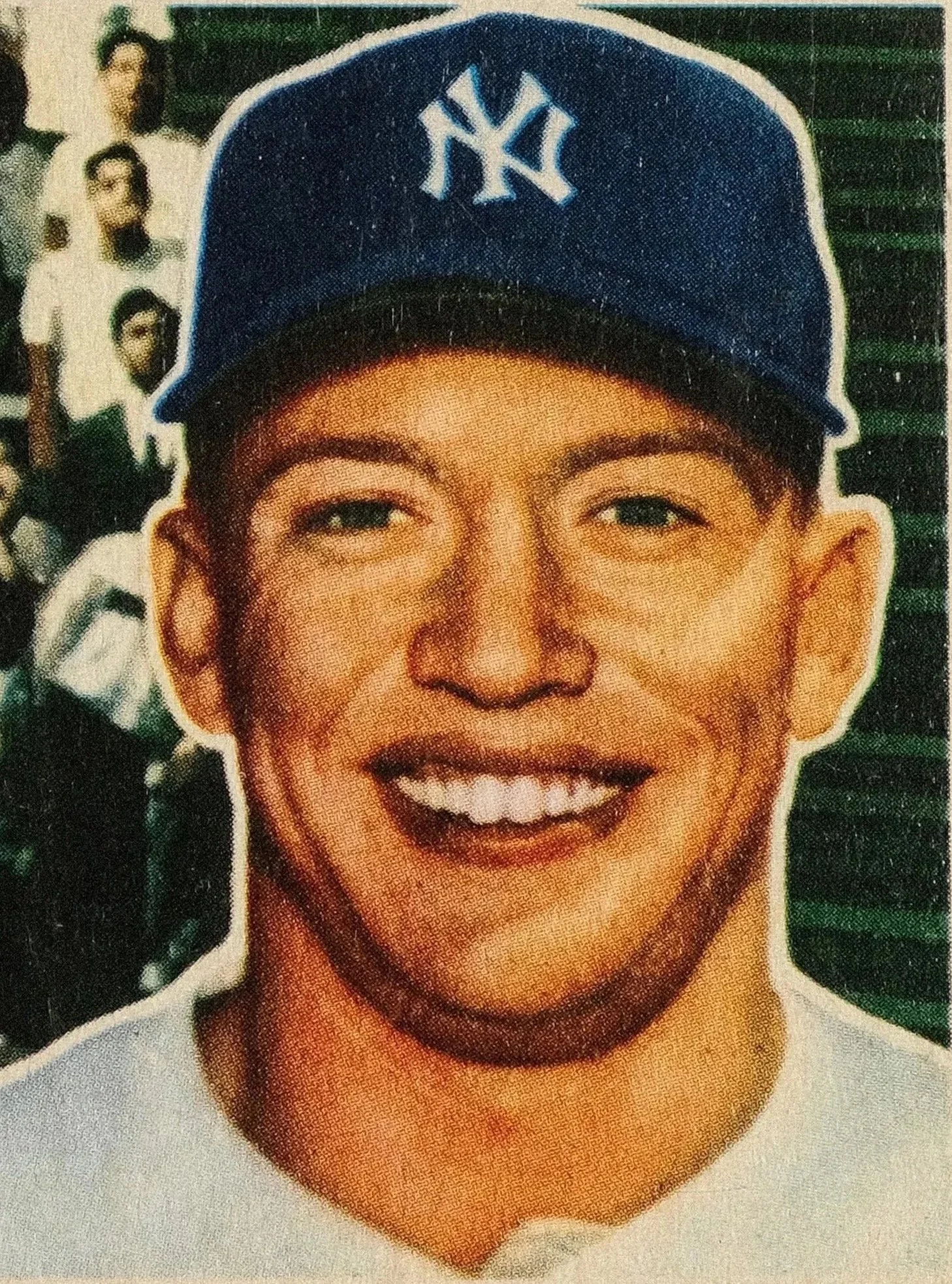
1956 Topps #135
In the mornings, his room no doubt smelled of coffee and wintergreen rub. He probably sat on the edge of the bed and applied bandages around his knee. His knee had been torn during his rookie year, and he played in constant pain. Having stepped on a drain in the Yankee stadium outfield grass. Aspirin was a close companion for a number of reasons.
Once he was up and moving he’d head downstairs to buy a newspaper, and then hail a cab to the Bronx. The ride up to the stadium was quiet, but when the cab pulled up to the player's entrance, kids were waiting with baseballs and paper. Mantle stood against the concrete wall and signed autographs until the clubhouse manager called him inside. It’s hard to overstate the level of fame Mantle experienced. He was Ruthian.
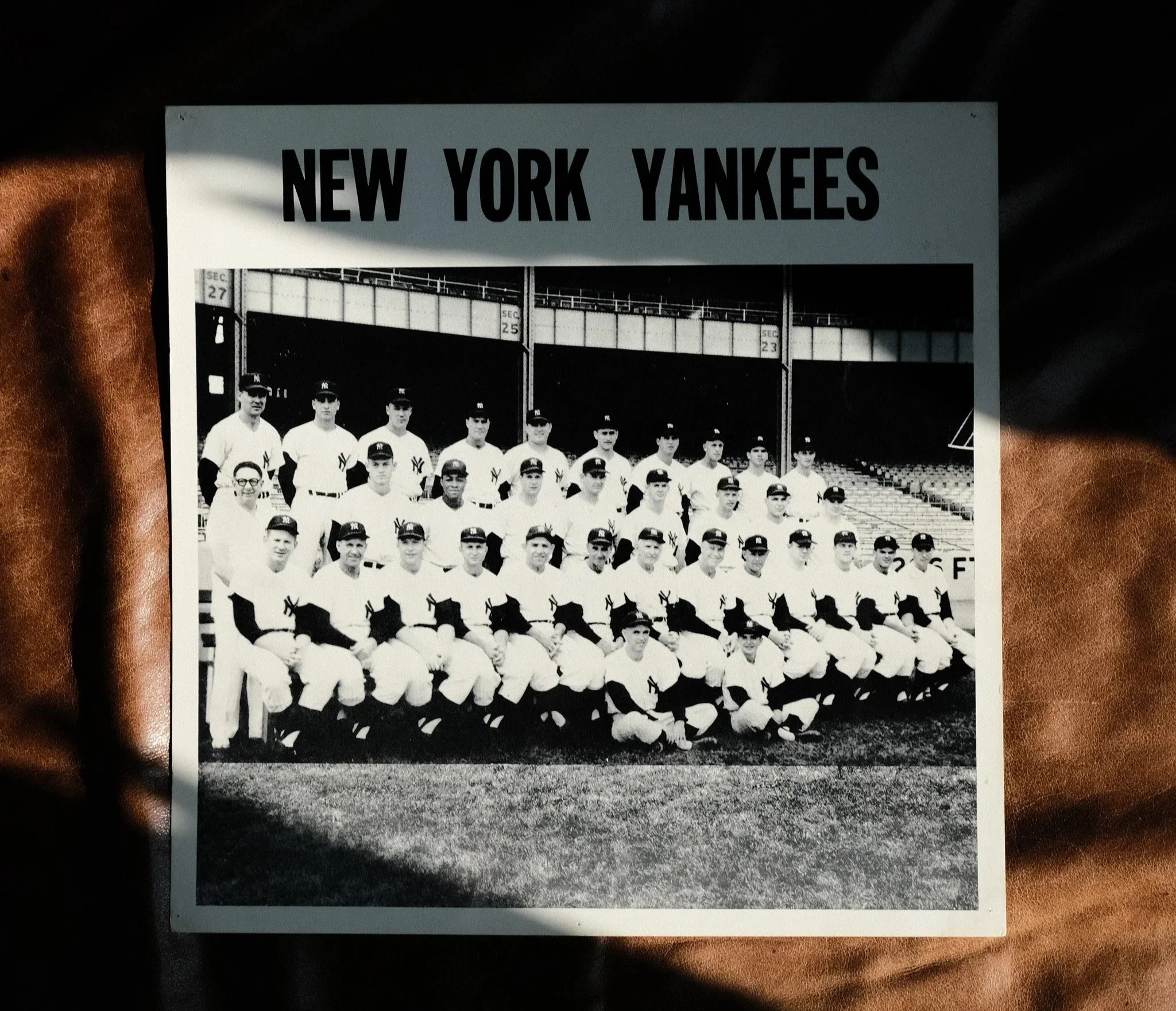
Front row, third from the left.
After the game, the routine reversed. He and Billy Martin changed into suits and went back to Manhattan. Manhattan after dark was a grid of neon, steam from the subways, and jazz coming from basement clubs. The city smelled of smoke and gin. People walked everywhere, and the streets were busy at two in the morning.
Mantle and Martin usually started at Toots Shor’s on 51st Street. The bar was circular and made of oak. It was the living room for sports in New York. If you were anyone in town, you stood at that bar. The room was loud and filled with cigarette smoke. Joe DiMaggio sat in the corner. Sportswriters drank at the same tables as the players, but they kept the late hours out of the morning paper.
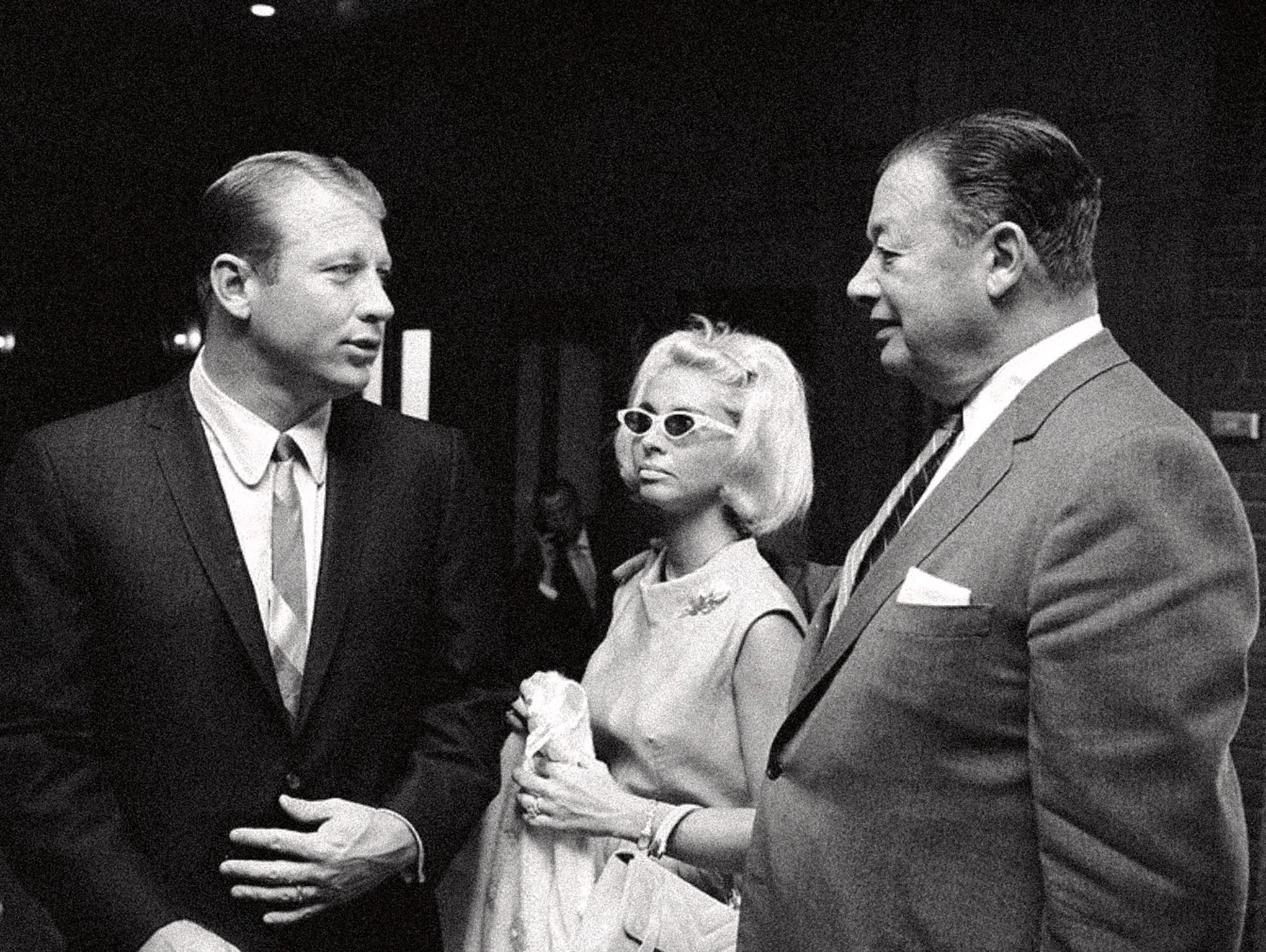
Mickey, Toots Shor and Mantle’s wife Merlyn.
From Toots Shor's, they moved east. They ate steak at Danny’s Hideaway, a crowded spot on 45th Street where the walls were lined with leather booths and the waiters knew exactly how the ballpayers liked their meat. If they wanted music, they went to the Copacabana or the Stork Club. The Stork Club had a famous room with a velvet rope where politicians and actors drank Scotch together.
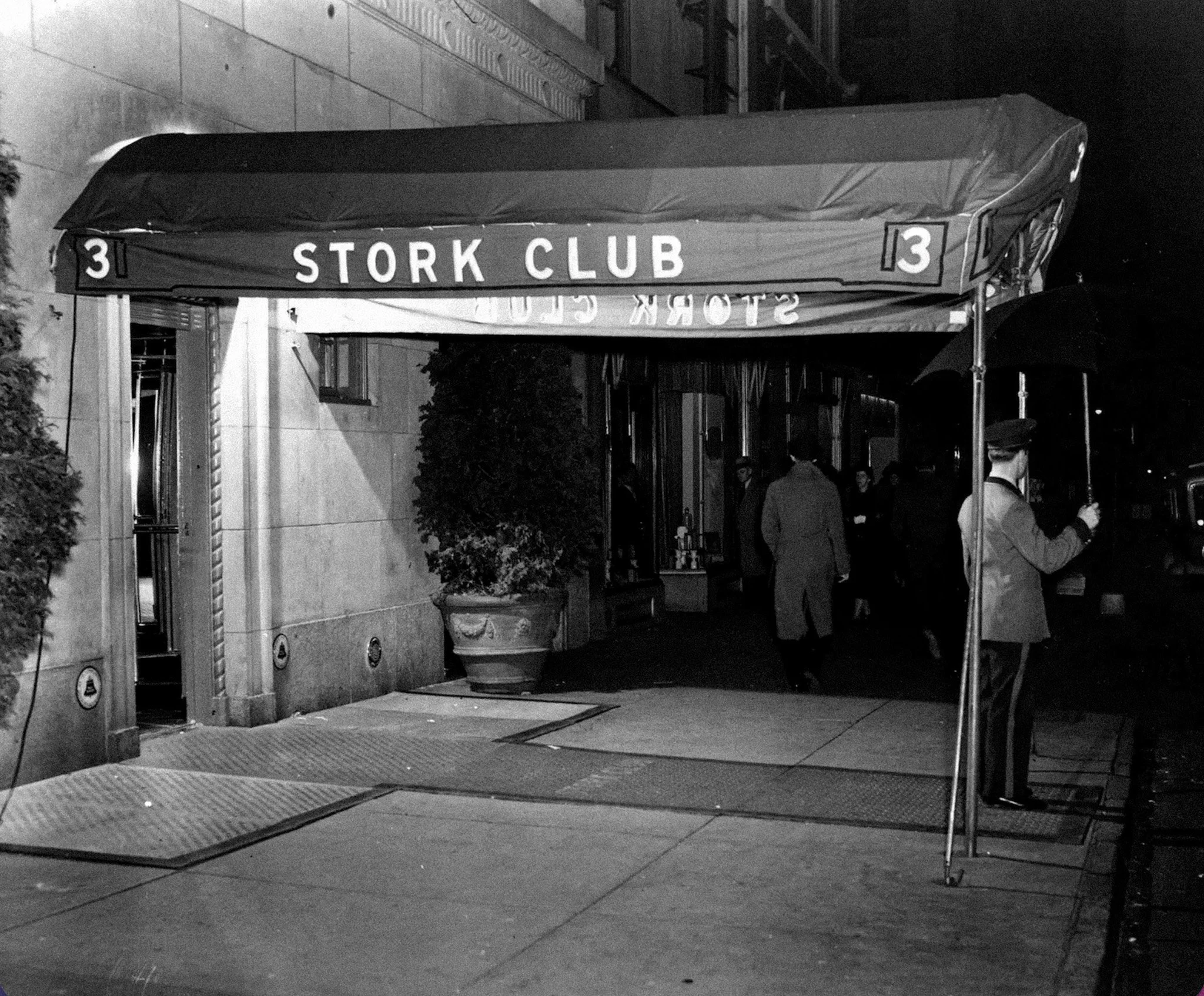
If the night went long enough, they could end up at Bleecker’s. They often took cabs down to Greenwich Village to small bars that did not care about liquor license hours. Before heading back to the hotel, they stopped at the Stage Deli for pastrami sandwiches to soak it all up.
For Mantle, the nights were a way to ignore the pain in his joints and the pressure of playing in New York. Growing up in Oklahoma, where his father and grandfather had both died young. Mantle believed his own life would be short, so he stayed out until the bars closed.
At dawn, he took a cab back to Central Park South, went up to his room, and waited for the sun to come up so he could do it again. But before the following nightfall the back of his baseball card told you how he spent his summer days.
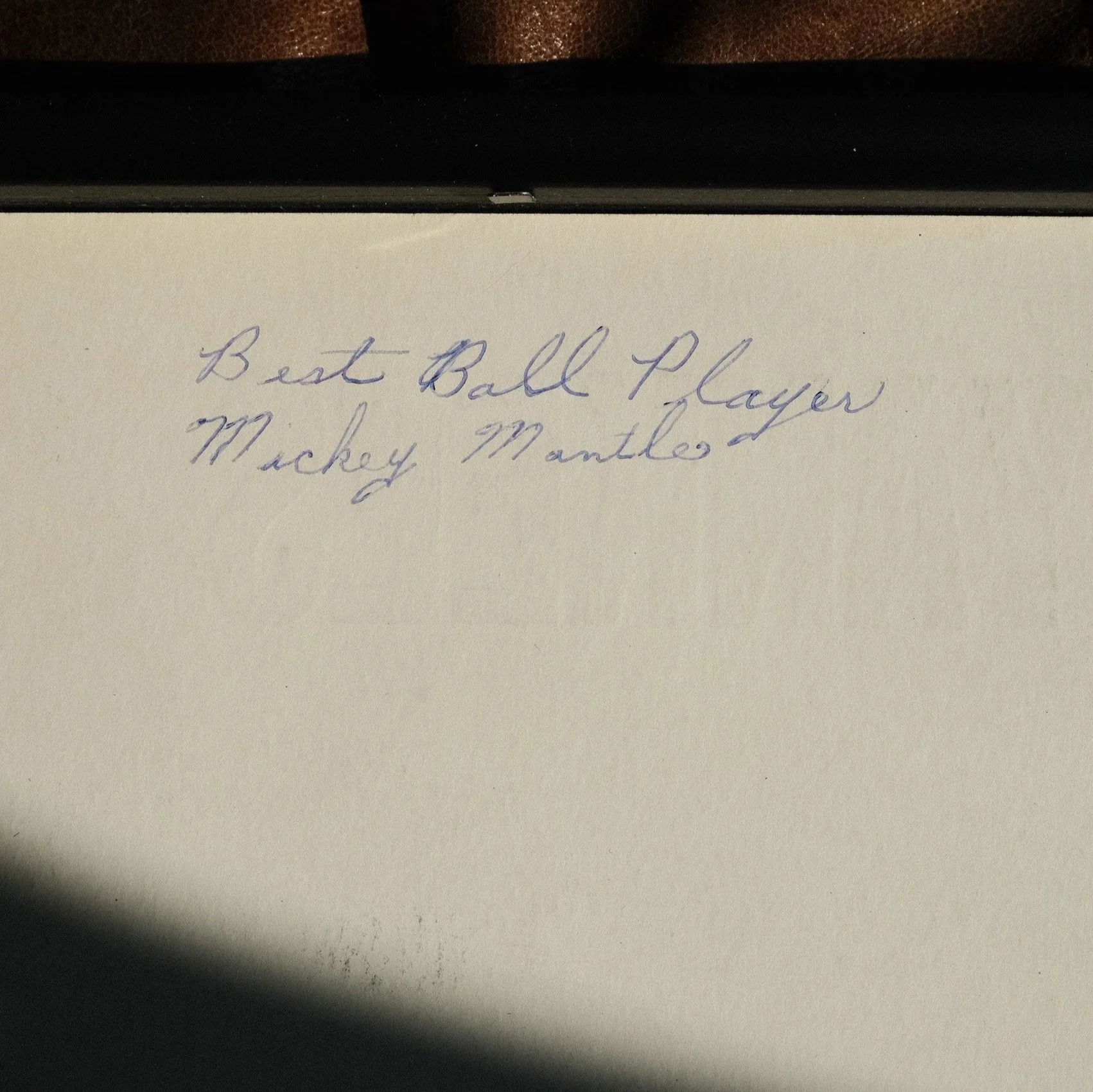
The above photo, written by my father on the back of a Yankee’s Team Photo from 1956.