
Before the modern era, a single name dominated the world of high-stakes racing timekeeping: Heuer.
For anyone who appreciates mechanical engineering, racing history, or mid-century design, there is an area of the horological world that offers incredible history without the heavy price tag of a vintage wristwatch: Heuer stopwatches.
These were never pieces of jewelry; they were rugged and accurate tools designed for a single purpose—to capture split seconds of human achievement. Here’s a look into the history of the brand and why their vintage stopwatches are the sought-after collectibles today.
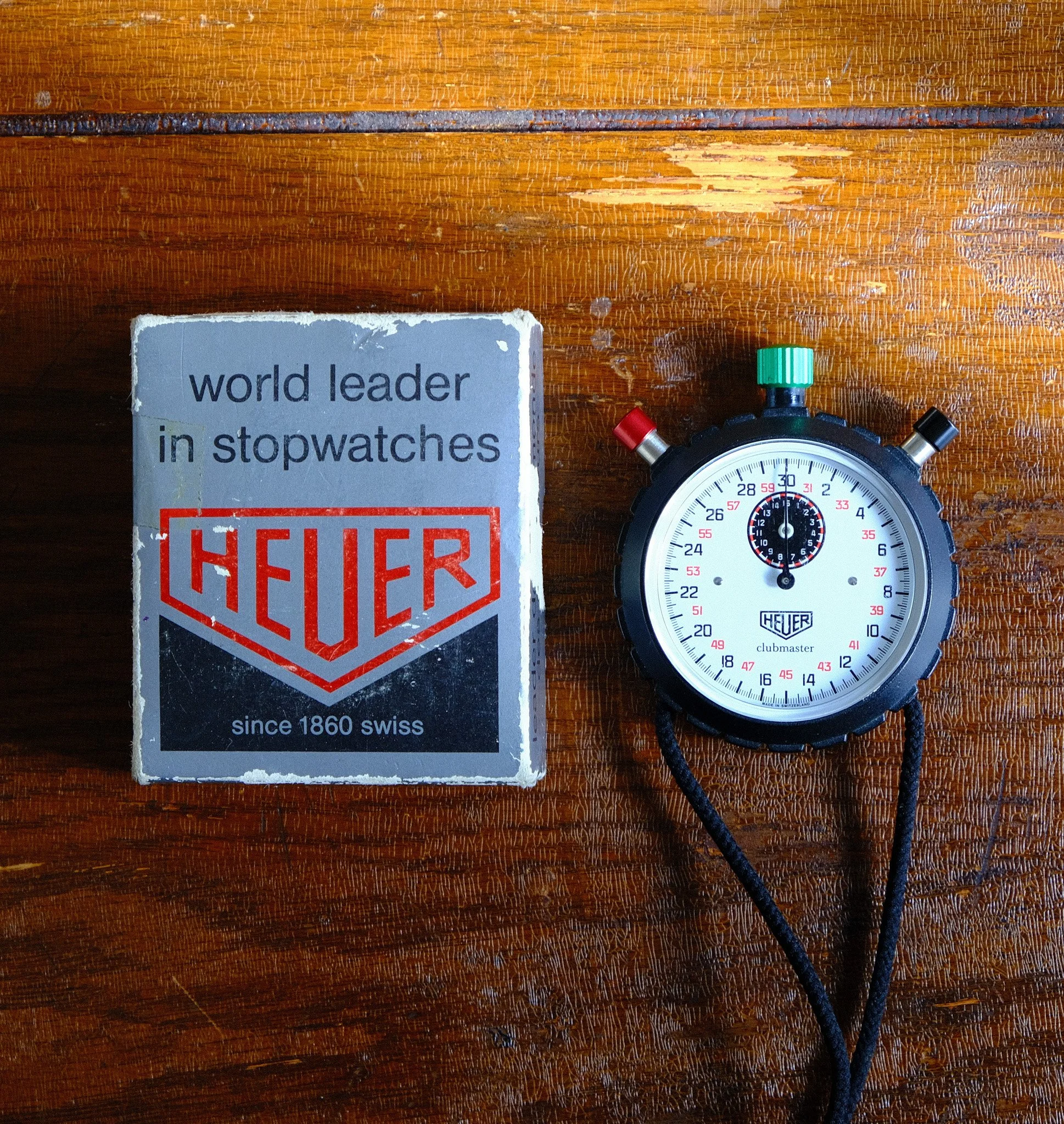
1970’s Highbeat Clubmaster Stopwatch. For Sale in Navigator Archive Vintage Shop.
Founded by Edouard Heuer in Switzerland in 1860, Heuer didn't want to only make common pocket watches. Edouard was obsessed with the concept of measuring split-time intervals.
In 1887, Heuer patented the oscillating pinion, a mechanical breakthrough that allowed a chronograph to start and stop instantly with the push of a button. It was a milestone so inspired that major watchmakers still use a variation of it today.
By the mid-20th century, under the leadership of the companies namesake Jack Heuer, the brand became synonymous with motorsport. Heuer sponsored Formula 1 teams, built the dashboard timers for rally cars, the stopwatches hanging around the necks of pit crews, and the timing equipment used in the Olympic Games. When it came to precision, Heuer was the gold standard.
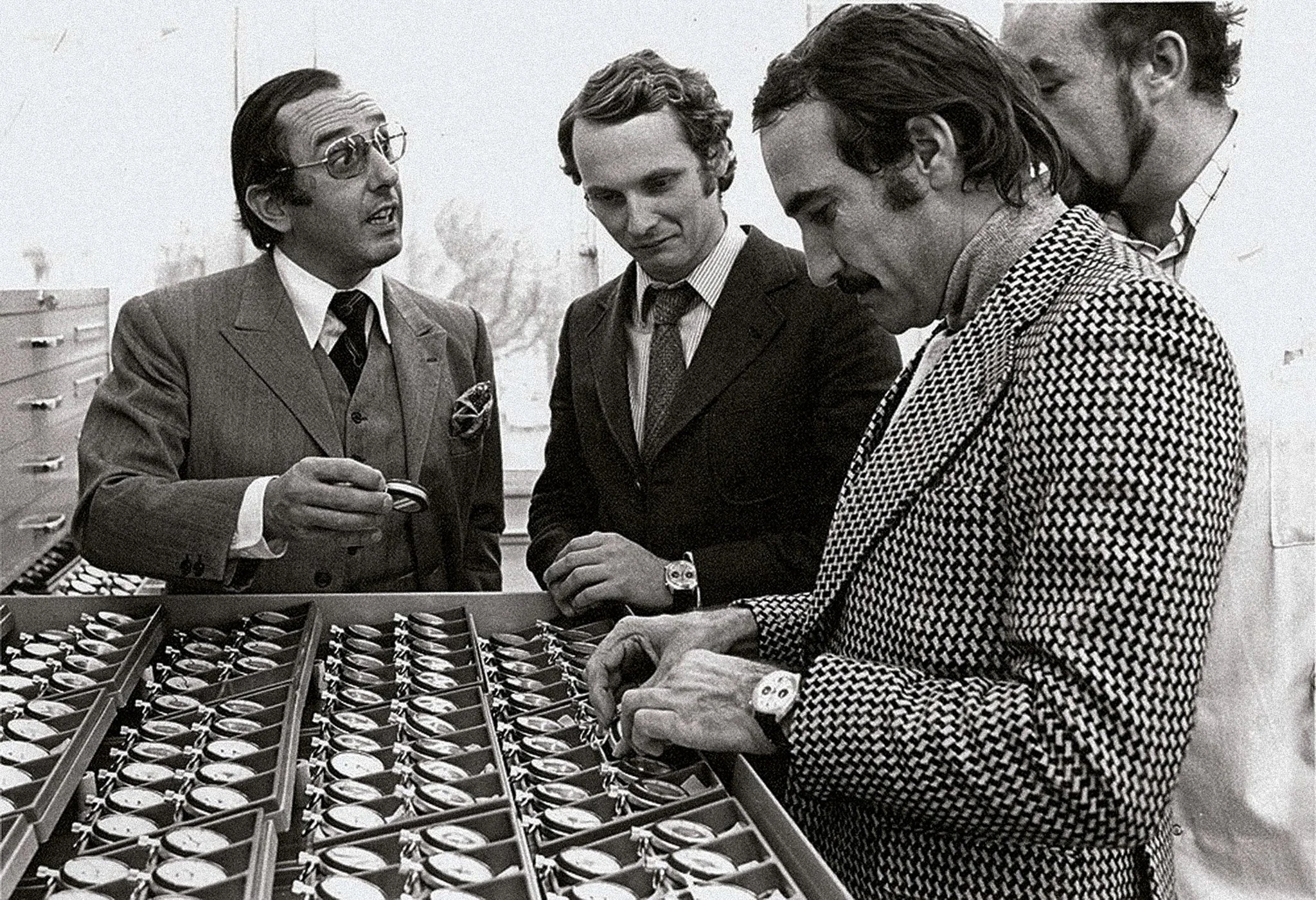
Jack Heuer showing a collection of stopwatches.
Holding a 1960s or 70s Heuer stopwatch can take one’s imagination to standing trackside at Monaco or Le Mans. These devices were used by racing legends and pit bosses to clock lap times. They represent an era where mechanical creations and human reflexes determined the winner of a race.
Heuer stopwatches are a master class in functional design. They are famous for their high-contrast dials, bold typography, and iconic color palettes. The stark black-and-white of the multi-dial track models, the brilliant red accents on a yachting timer, or the textured, military-grade black finish on the outer casings, these pieces look impressive on display.
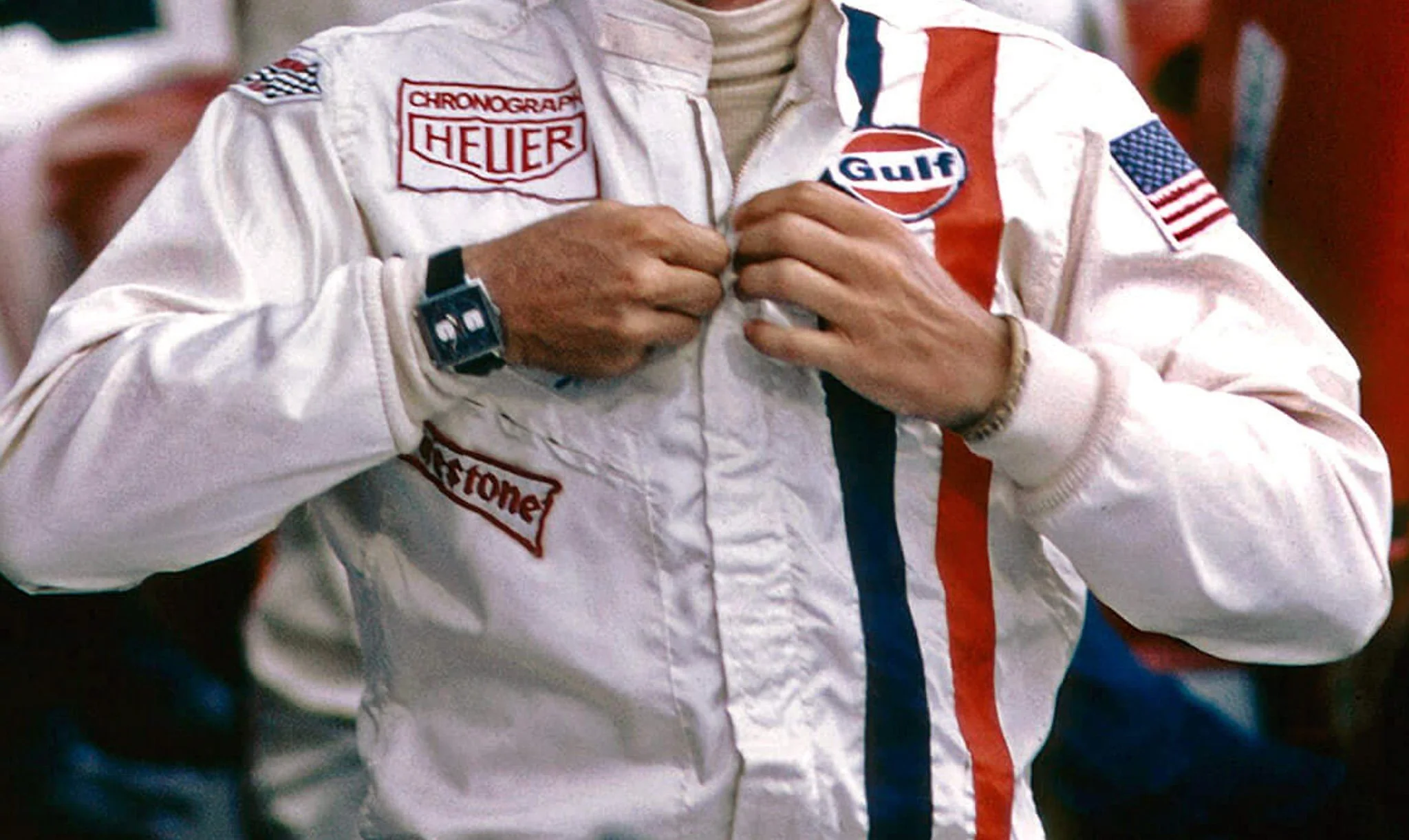
Heuer’s Swiss manufacturing heritage is rooted in the precision-driven culture of Saint-Imier and later Biel, regions at the heart of Swiss watchmaking. Operating out of these hubs since 1860, the company combined rigorous Old World craftsmanship with cutting-edge industrial innovation.
By subjecting every component to exacting Swiss engineering standards, Heuer transformed simple timekeeping into an art of extreme mechanical reliability, cementing Switzerland’s reputation as the undisputed global epicenter for professional timing equipment.