100 Years of the Winter Olympics

The activity of traditionally winter sports is one of crisp pine air, biting mountain wind, and features athletes who voluntarily travel down ice chutes at 90 miles per hour. While many sports traditions are centuries old, the history of the Winter Olympics transformed backyard winter pastimes into a global obsession during the 20th century.

In the early 1900s, people in colder climates—especially in Scandinavia—felt that the world was missing out on the true beauty of sport. They had their own regional events but they wanted a grander platform to showcase what they could do on skates and skis. There was a growing realization that winter sports were not just local hobbies but disciplines that required courage and skill. The hope was to create a dedicated stage where the mastery of cold weather sports could be celebrated on a larger scale.

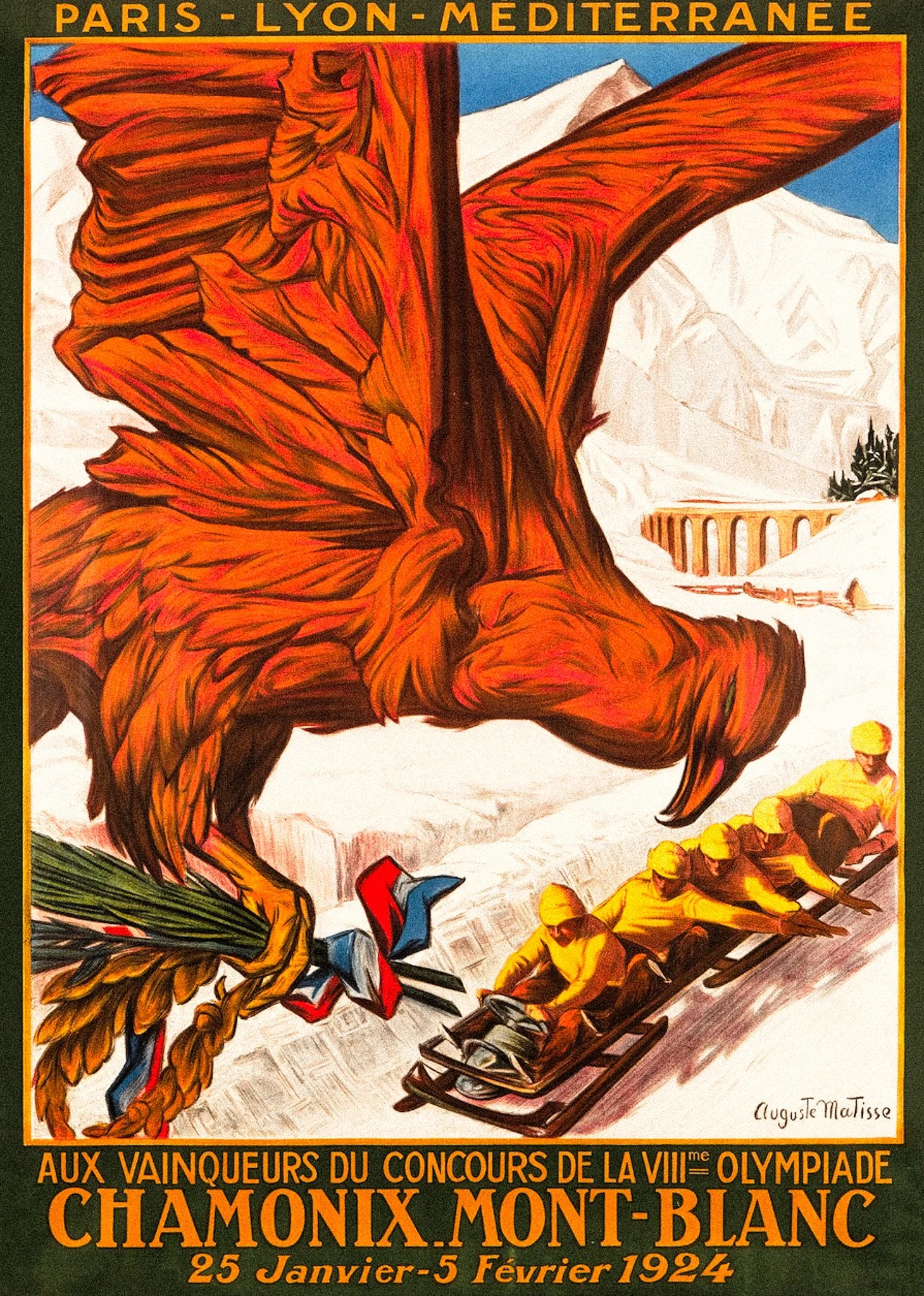
Property of the IOC

In 1924, a "Winter Sports Week" was held in Chamonix, France. At the time, it was an experimental gathering nestled beneath the peaks of the Alps. It was such a hit—with 16 nations competing in things like bobsled and down-hill skiing — that it was in retrospect recognized as the very first Winter Olympic Games. The first ever gold medal was won by an American speed skater, who probably didn't realize he was kicking off a century of tradition in that Alpine town.
As the decades passed, the Winter Games established a rhythm and the world began to take notice. In the 1960s, television turned skiers like Jean-Claude Killy into household names, bringing the thrill of the slopes into living rooms across the globe. The Summer and Winter games were typically held in the same year. Eventually, the games reached a level of popularity that demanded their own unique slot on the calendar. In 1994, the schedule shifted to ensure the Winter Games had their own dedicated spotlight. The 1994 Lillehammer Games in Norway became a landmark event, remembered as some of the most beautiful games ever held.

Italian athletes at the 1956 Games in Cortina. Property of Getty Images

It isn’t just the sports; it’s the sheer scale. We have seen a massive evolution in technology, moving from wooden skis and leather boots to carbon-fiber bobsleds and aerodynamic suits developed in wind tunnels. Whether it’s a legendary hockey game or the grace of a well-executed downhill run, the games offer a unique brand of tension and beauty that only ice and snow can provide.
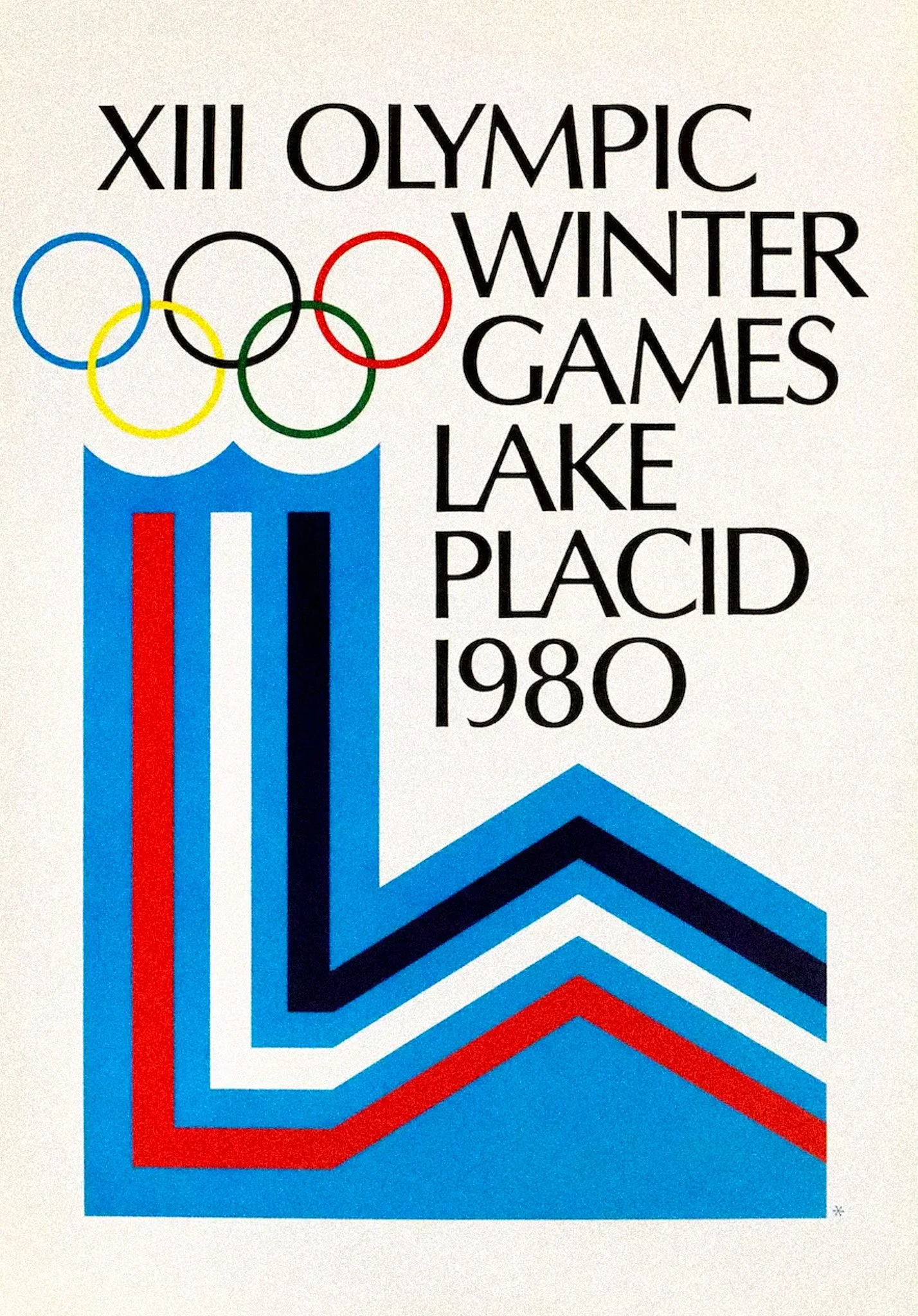
Property of the IOC
Golden Age of Hollywood Halloween

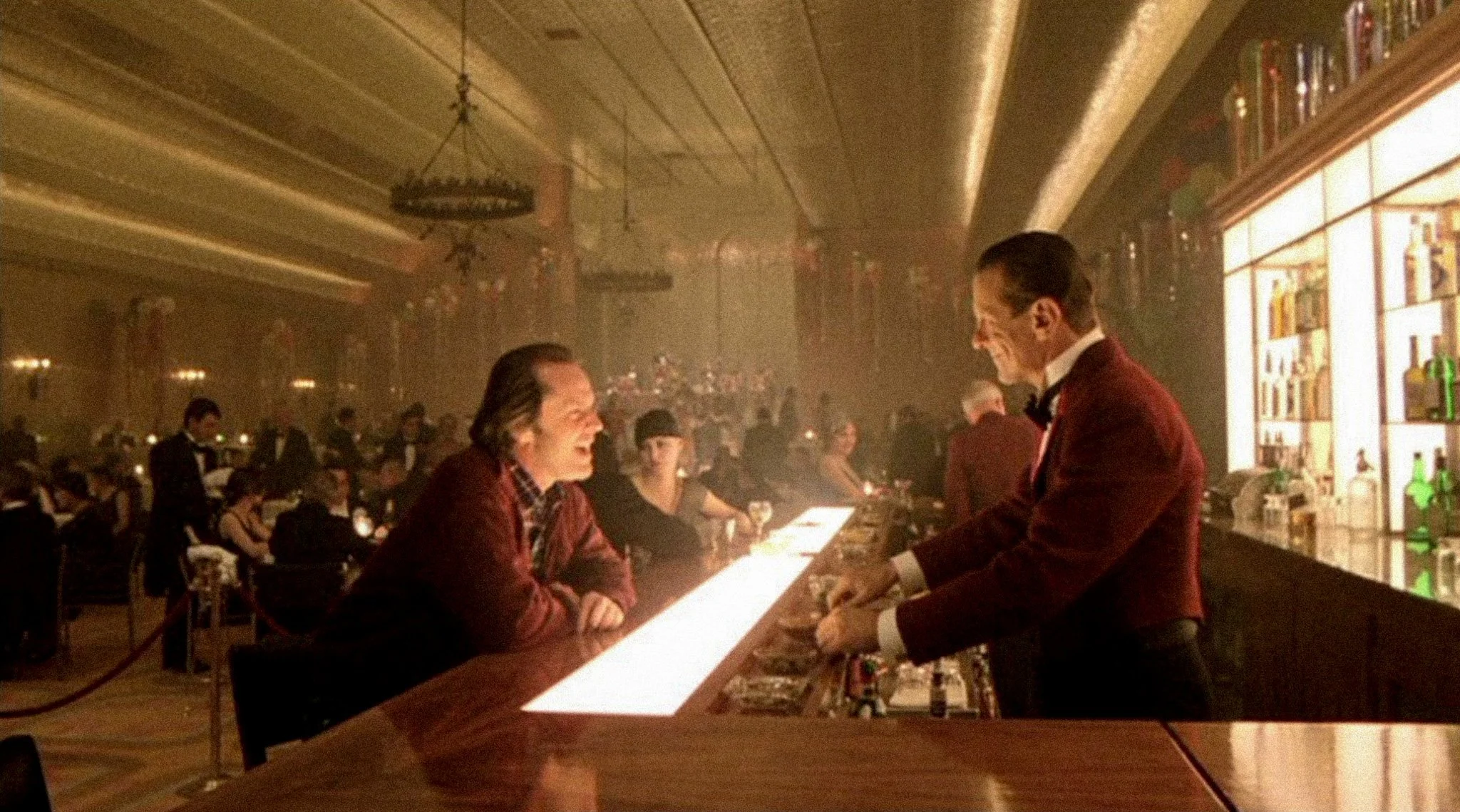
Maybe more so than other holidays (if you consider it one), Halloween memories are often crystal clear. Something about wearing something uncommon and meaningful can make a memory vivid even decades later. Don’t let the memories fade. Happy end of October to all.

Janet Leigh, all rights to the owner. Getty Images

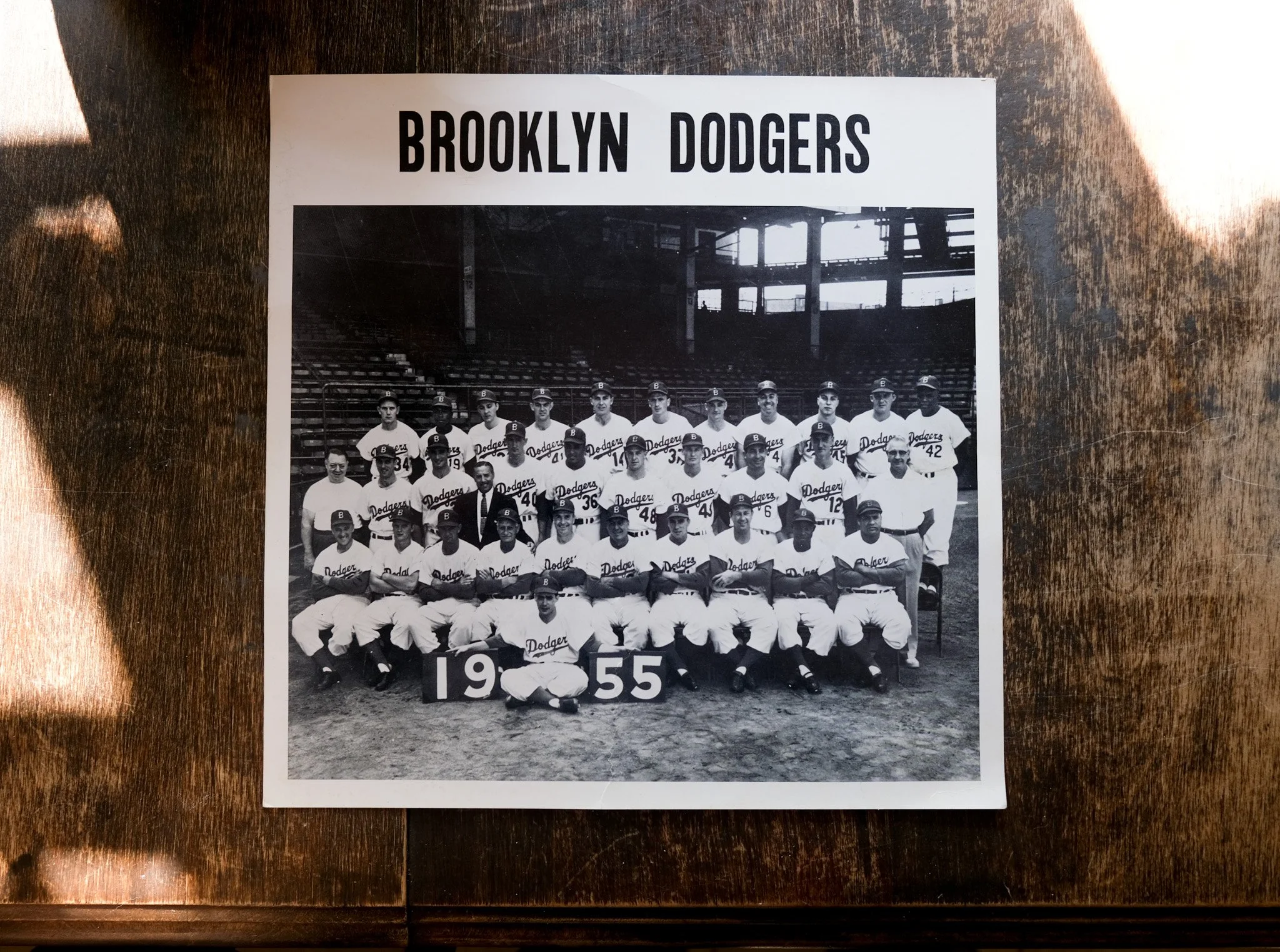
The Brooklyn Trolley Dodgers of Flatbush

The opening sentences of a piece like this inevitably always begin with something like: “with the crisp fall air…” There is a reason for this, as baseball is a game of hope, repetition and reconciliation. Over the course of a six-month season, baseball fans go from hope springs eternal to there’s always next year.

Few teams experienced more “there’s always next year(s) than the Brooklyn Dodgers during the middle of the 20th century. Having lost four in a row during the late 1940’s and well into the 1950s, proved to be agonizing for the residents and fans of Brooklyn borough. This futility would also spawn a secondary nickname that was rather unflattering, The Bums.

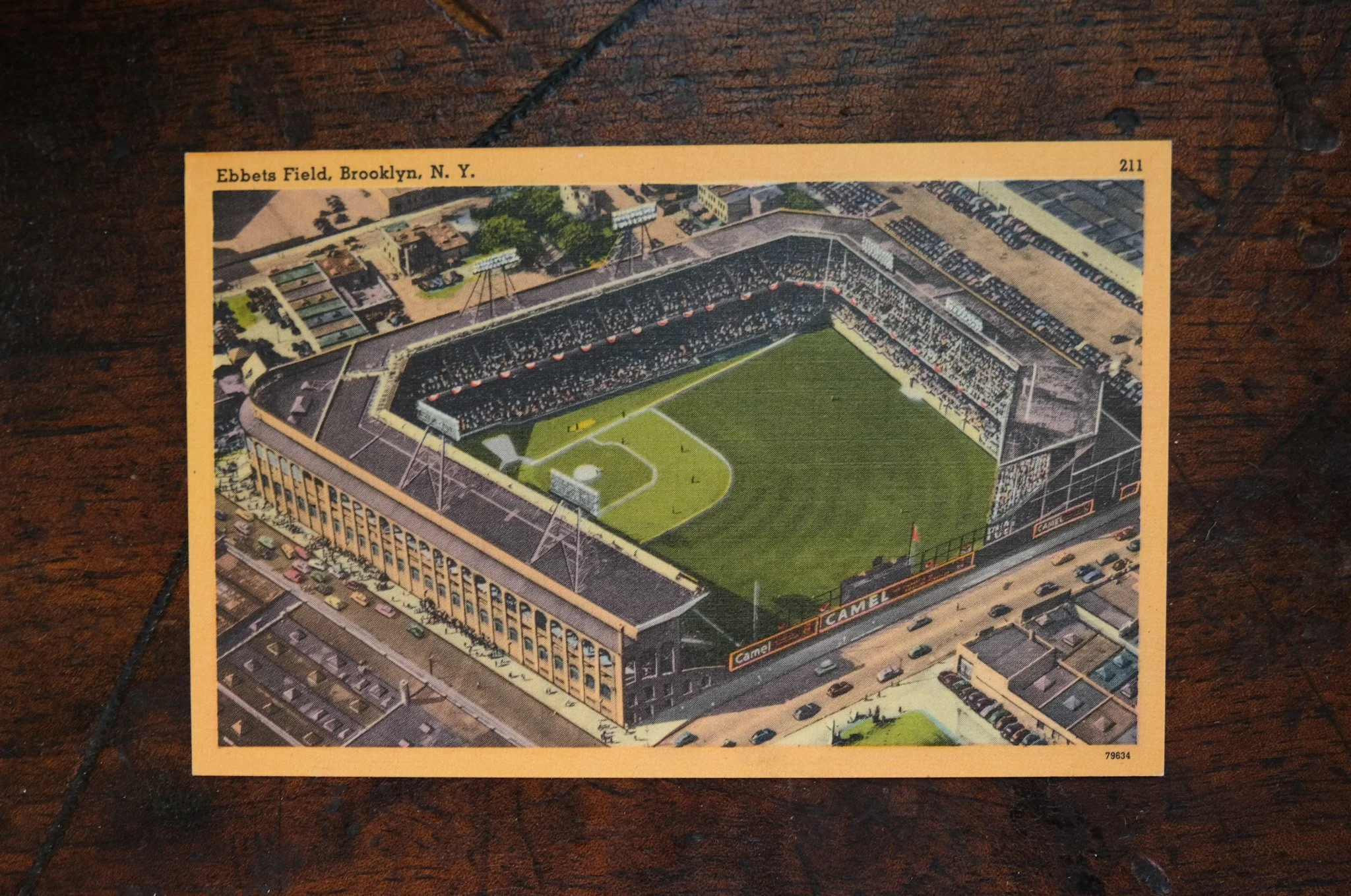
The aesthetic of the time was defined by its permanence and utility. The heavy wool flannels, the iconic script across the jerseys, and the narrow, irregular dimensions of the ballpark itself reflected a neighborhood built on grit and repetition. It was a decade characterized by the agonizing "next year" cycle of losing to the Yankees, finally broken by the historic 1955 World Series win. That victory transformed the team from perennial underdogs into a symbol of vindication, proving that something timeless could be achieved within the aging walls on Sullivan Street.

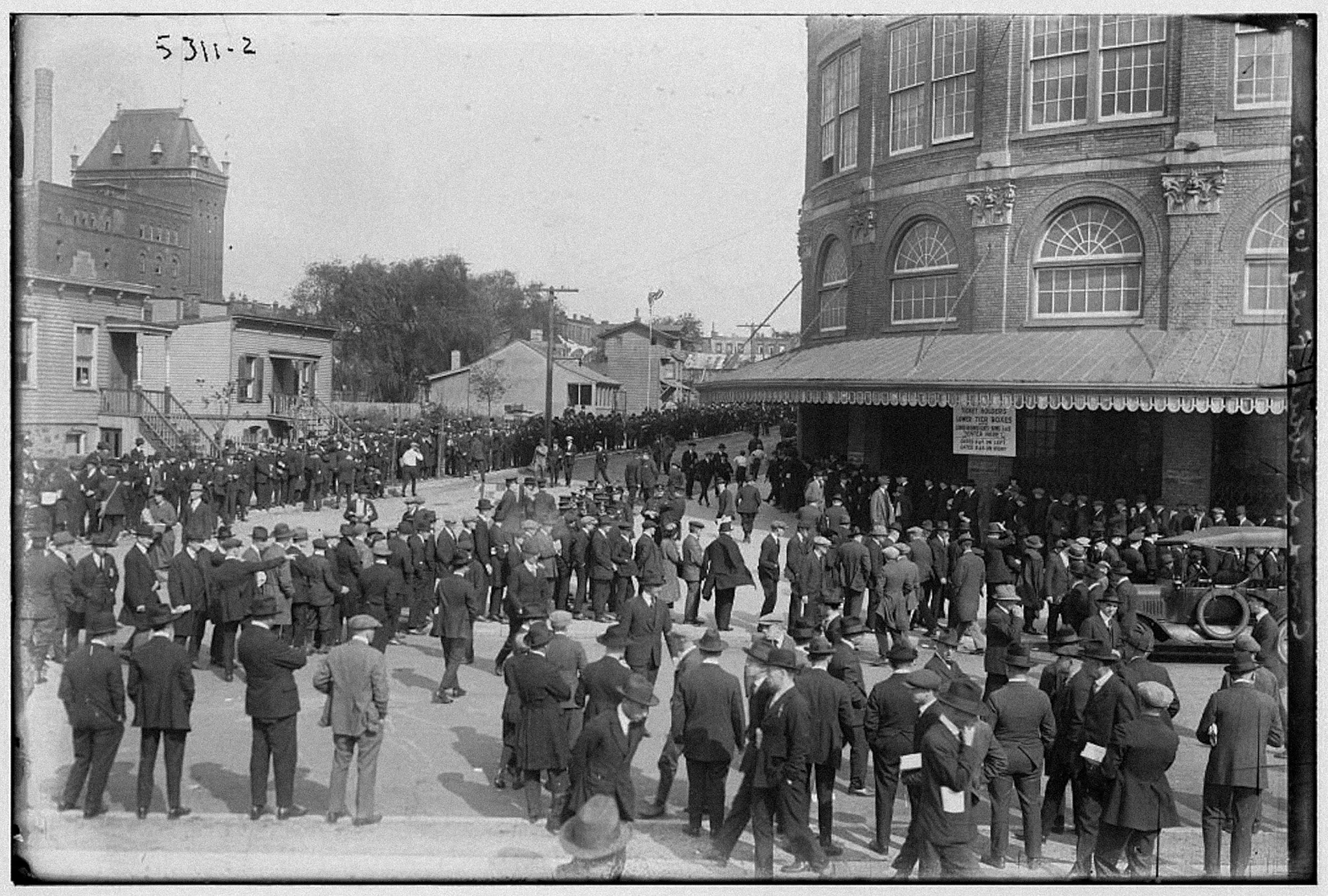
In spite of an extended track record of losing, Brooklyn fans stuck by the Dodgers year-after-year and showed up in droves to the stadium in Flatbush. The Dodgers took their name, which eluded to pedestrians “Dodging” the many streetcars of Brooklyn in 1911. Owner Charles Ebbets began buying up lots along Sullivan St. in 1908 with plans to build a stadium on the site with construction beginning in 1912. The park at its largest iteration held only 35,000 fans, small by today’s standard.

We will no doubt revisit Ebbets Field and the Brooklyn Dodgers in future posts.

THE LIFE AND TIMES OF GEORGE PLIMPTON

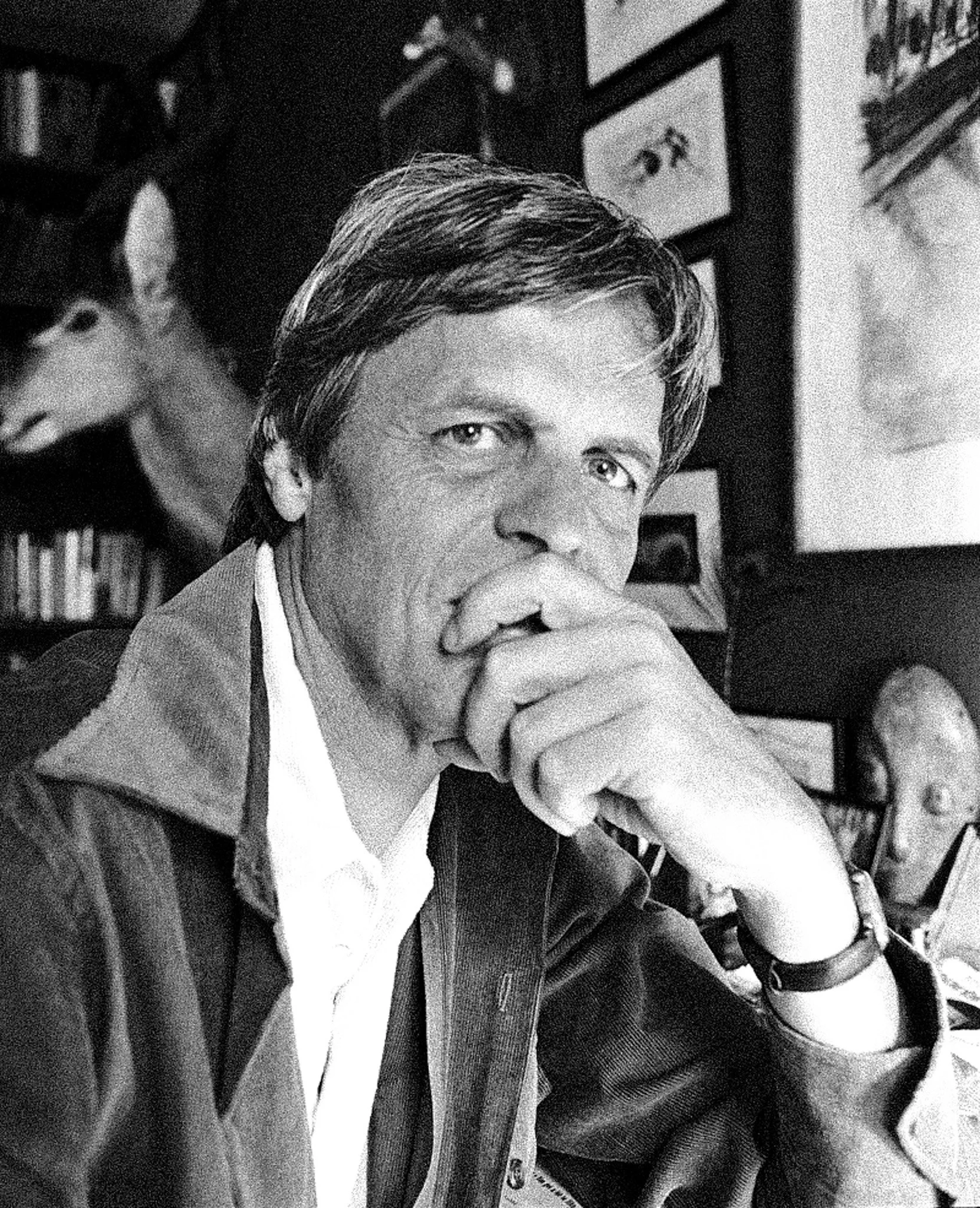
To understand George Plimpton is to understand the art of the participatory amateur. He was a man of high-born lineage and Ivy League polish who spent his life deliberately walking into situations where he was spectacularly outmatched. Whether he was stepping into the ring with Archie Moore or taking snaps for the Detroit Lions, Plimpton’s brilliance lay in his willingness to fail on our behalf.

Plimpton’s most enduring contribution to the American archive was his role as the "Professional Amateur." In an era of increasing specialization, he remained a generalist. He founded The Paris Review, a literary journal that prioritized the craft of the interview, yet he is perhaps most famous for Paper Lion, his account of training as a backup quarterback.

His prose was characterized by a specific, mid-century elegance—an approach to storytelling that stripped away the ego of the athlete and replaced it with the vulnerability of the observer. He didn't just report on the game; he felt the weight of the grass and the terrifying velocity of a professional blitz.

Plimpton’s mind operated like a curated library. At The Paris Review, he sought to create a space where the giants of literature—Hemingway, Capote, Eliot—could speak candidly about their failures and their process. He treated the interview as a historical record, a way to capture the "thoughtful design" of a writer’s life before it vanished into the noise of the modern market.

His personal style was an extension of this philosophy. Whether he was hosting a legendary party in his East Side apartment or appearing in a film, he carried a sense of preppy permanence. He was a man of blazers and elbow patches, a living bridge between the world of letters and the world of sport.

Image property of Larry Fink Estate

George Plimpton reminds us that the mind is an archive that should never be closed. He was a man who refused to be defined by a single lane, moving between the boxing ring, the orchestra pit, and the editorial desk with a restless, brilliant energy.

George Plimpton passed away in 2003.

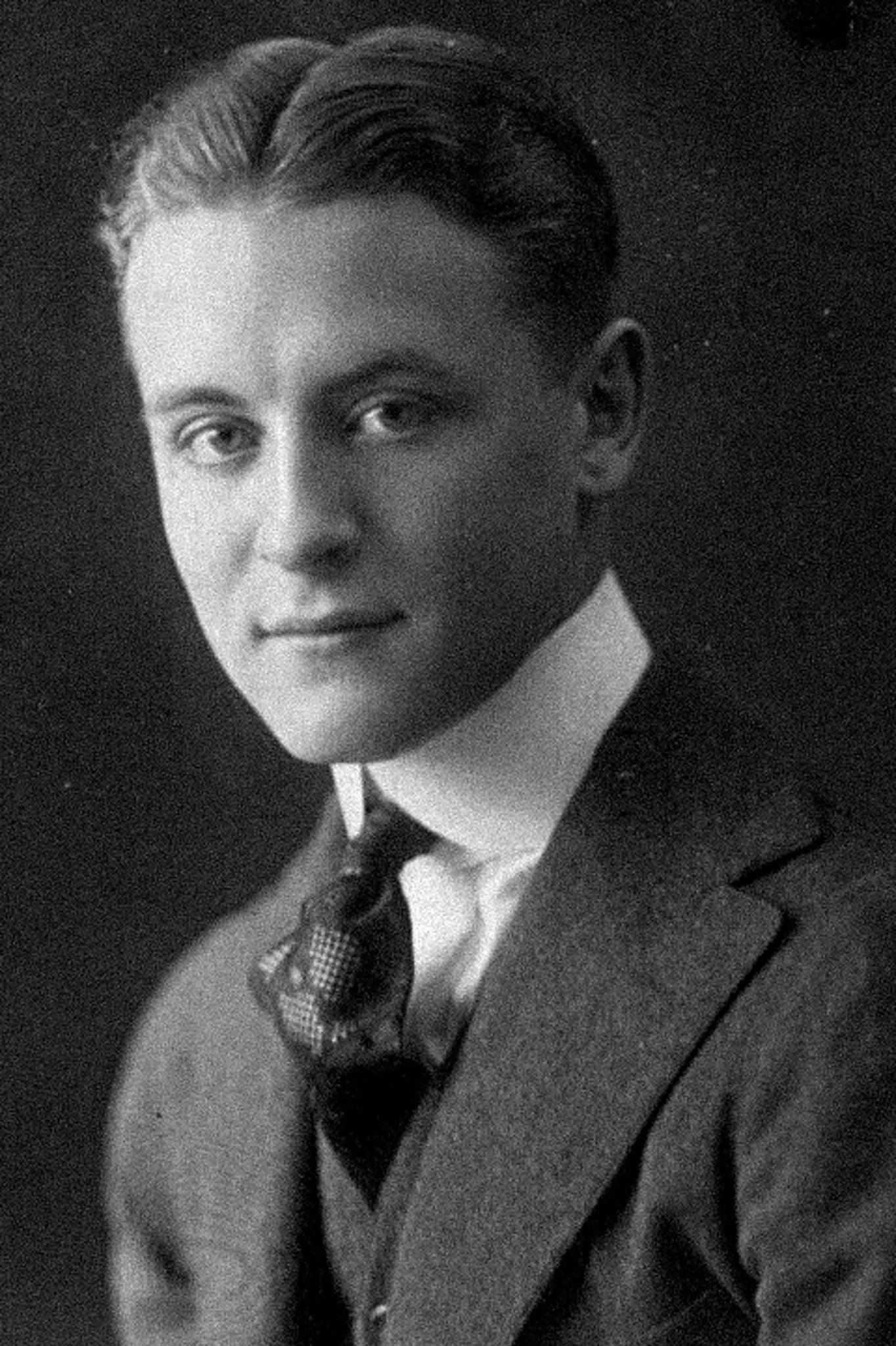
The Life and Times of F. Scott Fitzgerald (Part 1)

Francis “Scott” Fitzgerald was born in St. Paul Minnesota in September of 1896. In a few weeks I will be older than he was when he died. I also share the same birth week as he did. I wonder if he celebrated his birthdays. Although he seemed like the type to celebrate all occasions both large and small.

The years before the light turned green on the Buchanan dock were a restless sequence of cold train platforms and the smell of wet wool in midwestern winters. Before the jazz grew loud and the invitations became ubiquitous, F. Scott Fitzgerald was a young man haunted by the suspicion that he was standing on the wrong side of a very high, very gilded fence.

Photo property of Fitzgerald estate.

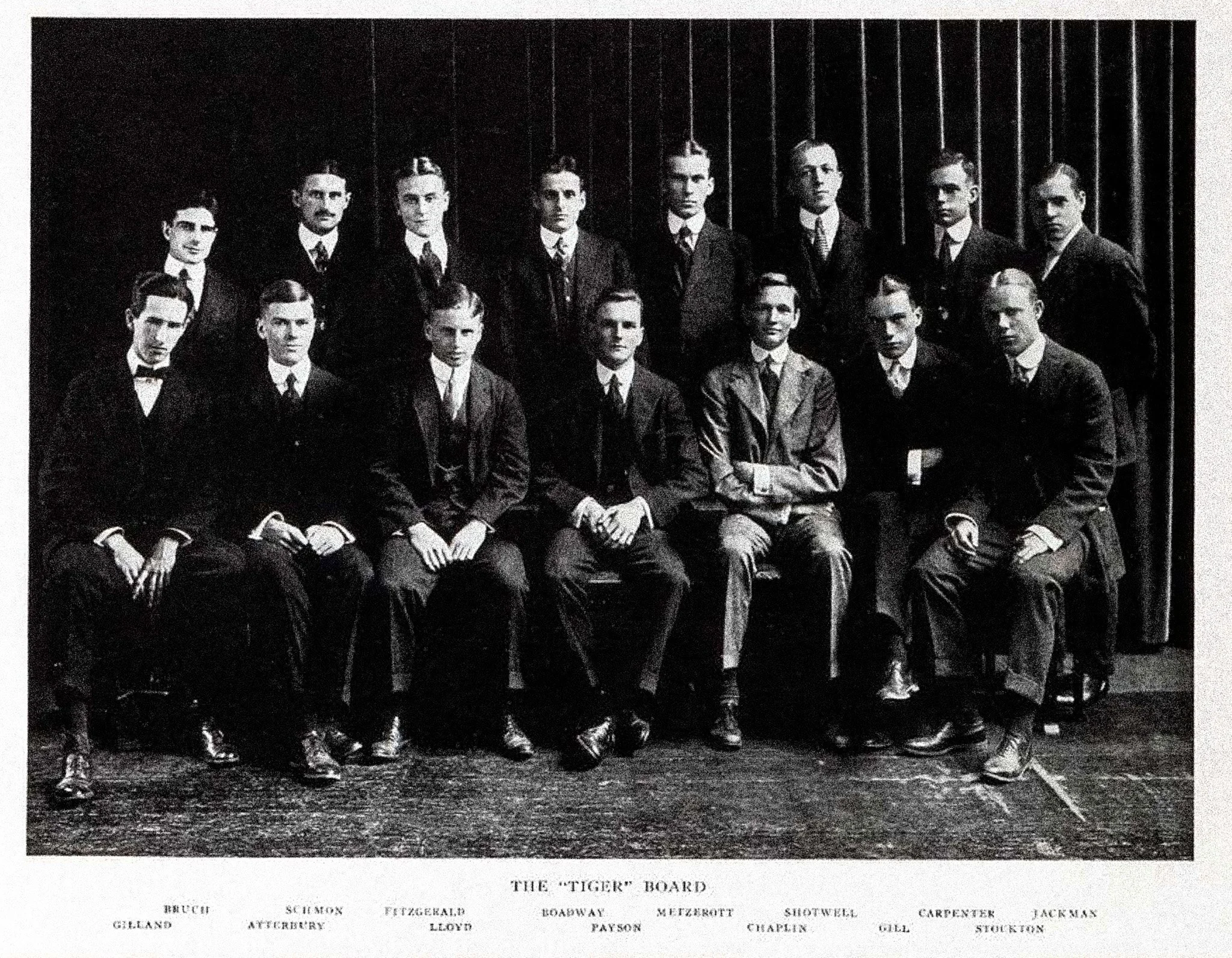
In the vaulted halls of Princeton, the boy from St. Paul discovered that the world was partitioned by more than just intellect. It was here that the "calculus of class" first began to gnaw at him. He was a creature of kinetic ambition, spending more time composing lyrics for the Triangle Club than studying the classics he was meant to master. He was learning, instead, the posture of the elite—the specific way a tie should hang, the casual cadence of a voice that had never known the indignity of a budget. But the grades slipped, and the war loomed, and the ivory towers eventually receded in the rearview mirror of a troop train.

At Princeton, Fitzgerald didn’t just study history; he tried to wear it. Entering the gates in 1913, he found himself in a Gothic landscape that seemed designed to remind a middle-class boy from Minnesota exactly where he stood. It was a world of "eating clubs" and social pedigrees, where the air was thick with the scent of old money and woodsmoke.

It was during these years that the foundational chip on his shoulder was carved. He was surrounded by the "leisure class," young men who moved with a casual, inherited grace that he had to meticulously rehearse. He later described himself during this time as a terrible bridge-player and a mediocre athlete, constantly overcompensating for a lack of blue-blooded lineage with a surplus of charm and prose.

Photo property of Princeton University 1917

The romanticism eventually hit the hard wall of reality. By 1917, the combination of poor health and failing marks forced him to withdraw. He didn't graduate with his class; instead, he traded the cap and gown for the olive drab of an Army uniform. He left Princeton with a trunk full of rejection slips and the early drafts of what would become This Side of Paradise, having learned the most expensive lesson the Ivy League could offer: that the most beautiful things in the world are often the most exclusive. having done well in school, despite attending and subsequently dropping out of Princeton University, some 85 years after his death, he remains an enigma. We can never fully understand his genius nor his inner torment.

Fitzgerald’s exploits have been well documented, but it is not as well-known that he was named after Francis Scott Key, who was a distant cousin. Fitzgerald is also credited with the first use of the word “t-shirt”, used in the novel “This Side of Paradise”.

8 1/2 - Fellini (1963)

By 1963, Federico Fellini was a man under immense pressure. Having achieved global acclaim with La Dolce Vita, the world was waiting for his next move. The problem was that Fellini didn't have one. He famously sat in his office at with a blank piece of paper, having forgotten what kind of film he wanted to make. Instead of retreating, he decided to film the forgetting itself.

The protagonist, Guido Anselmi played with a weary, cool detachment by Marcello Mastroianni, is a director trapped in a vacuum. He is surrounded by producers demanding a script, actresses demanding a role, and a wife demanding the truth. Guido’s solution is to retreat into the architecture of his own memory.

Property of Janus Films.

What makes 8 ½ so enduring is its refusal to signal when it is moving from the present day into a dream. One moment Guido is at a sterile health spa, and the next he is a child being bathed in wine at an Italian farmhouse, or facing a "harem" of all the women from his past.

The film's title itself is an insider reference: Fellini had previously directed six features and two "half" features (collaborations). This was his Eighth and 1/2. It is a work of radical honesty, suggesting that our lives are not a linear sequence of events, but a cluttered archive of fantasies, guilts, and half-remembered faces.

Property of Janus Films.

To understand Fellini’s 8 ½ is to understand the terrifying moment when the fountain of ideas simply stops. It is less a movie about cinema and more a study of the creative block elevated to the level of a grand, operatic circus.

The film functions like a memory palace with no doors. It moves without warning from the stark, clinical reality of a 1960s hotel into the warm, dusty corners of an Italian childhood. There is no distinction made between a conversation with a mistress and a hallucination of a long-dead father.

This is the brilliance of the Felliniesque style: the recognition that our internal lives are a cluttered archive. We are constantly negotiating with our past selves, our failures, and our fantasies. The film captures the specific weight of mid-century Italian life—the heavy influence of the Church, the allure of the cinema, and the impossible standards of the "Latin Lover" archetype—and tosses them all into a blender.

While I can’t pinpoint exactly when in my 20’s I discovered the films of Federico Fellini, I can recall that it was via the landmark Criterion Collection library. 8 1/2 was the second of Fellini’s films that I watched, and it amazed me.

From its style and portrayal of Italy to the haunting, surreal and dreamlike quality of Fellini’s directing, 8 1/2 is a treasure. From the first scene, which puts you in the final moments of a literal dream, it is relentless in its hold on viewers many decades later.